Build a Balanced Plate That Fits Your Food
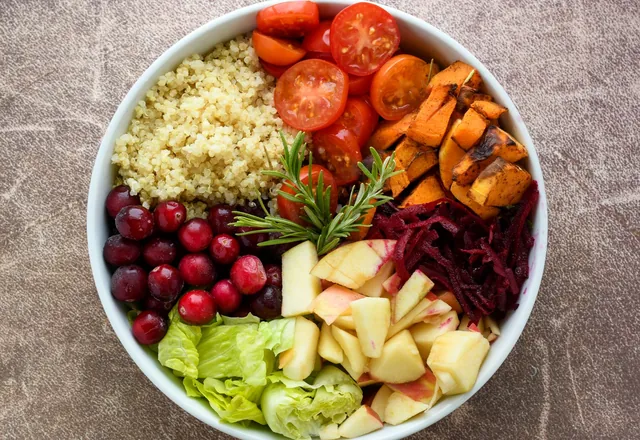
A flexible meal framework for bowls, sandwiches, and family dishes.
Useful food knowledge, flexible meals and everyday choices that fit real life.
A flexible meal framework for bowls, sandwiches, and family dishes.
Small changes that give your digestive system and kitchen routine time to adapt.
How to compare bread, cereal, crackers, and grains with less guesswork.
A practical route from unopened packages to soups, bowls, and simple dinners.
Simple combinations that make beans, tofu, nuts, and seeds useful everyday foods.
A morning food plan for rushed days, savory tastes, and small appetites.
Planning around unit prices, existing ingredients, and what you can realistically use.
A freezer strategy built around texture, convenience, and flexible recipes.
Compare real portions before deciding which soup, sauce, or snack to buy.
Reading the sugar lines and choosing changes that matter in your routine.
Flavor, cooking method, storage, and the broader pattern of fat choices.
A flexible way to serve food, notice hunger, and adjust the next meal.
Cooling, storage, and reheating decisions belong in the plan before cooking starts.
A practical drinking routine without assuming one water target fits everyone.
Count the sources, consider timing, and make changes gradually.
Dairy, fortified alternatives, and practical label checks for everyday meals.
Understand sources and absorption without using supplements to guess at symptoms.
Why fortified foods and supplements require deliberate choices in a vegan pattern.
A careful approach to fortified foods, supplements, and claims about sunlight.
Why digestive discomfort and immune reactions should not be treated as interchangeable.
Keep meals enjoyable while checking which nutrients a replacement actually supplies.
Notice food and your circumstances with curiosity, while keeping permission to eat.
Use menus, additions, and practical questions to build a meal you enjoy.
A useful staple collection begins with your kitchen, tastes, and everyday schedule.
Match the food to refrigeration, reheating, and the length of your day.
Use familiar foods while planning protein, B12, and other nutrients deliberately.
Use the broad food pattern without needing imported ingredients or a rigid menu.
A researched eating pattern that still needs adaptation to your foods, medicines, and health.
Think about ingredients, portions, texture, and how the drink fits your meal.
What a research category can tell you, and what it cannot decide about one product.
The first lines of a label explain what the rest of the panel measures.
Look at meal timing, enough food, and what is comfortable before bed.
Give cooked food a destination while keeping safe handling non-negotiable.
Match the amount, combination, and storage to your appetite and schedule.
Match the method to the ingredient instead of treating raw produce as the only choice.
Build a small seasoning collection around dishes you already cook.
Separate marketing, evidence, dose, and personal suitability instead of trusting a wellness label.
A practical reading method for headlines, testimonials, and confident social-media advice.