Know what DASH is designed to do
DASH stands for Dietary Approaches to Stop Hypertension. NHLBI describes it as an eating plan emphasizing vegetables, fruit, whole grains, low-fat dairy, and other nutritious foods, with attention to sodium and saturated fat. Its research background makes it more than a social-media menu, but it is not a substitute for prescribed blood-pressure treatment. A person with hypertension should discuss a practical plan with their healthcare team and continue medicines as directed. General meal ideas cannot determine whether medication should change.
Separate the pattern from a rigid menu
A sample DASH menu shows one way to apply the framework, not the only set of acceptable foods. Your culture, budget, allergies, appetite, and cooking equipment determine what works. A familiar vegetable stew, bean-and-rice dish, or suitable fish meal can be adapted without copying a published breakfast-to-dinner schedule. If a guide lists foods you cannot access, translate their function: a grain base, a protein component, produce, and an appropriate calcium-containing food. Ask for help when several restrictions make that translation difficult.
Inventory your food and read sodium portions
Before shopping, list the meals you eat regularly and the ingredients that could change. Perhaps breakfast already includes oats, lunch could include fruit, and dinner uses a salty prepared sauce. Pick an addition or substitution that is manageable. Changing every meal at once can make it difficult to tell which adjustments are enjoyable and affordable. An inventory also prevents unnecessary purchases. If you already keep beans, frozen vegetables, and rice, you may have the beginnings of several useful meals rather than needing an entirely new pantry.
Serving sizes are essential when comparing sodium numbers. A container may contain more than one serving, and a sauce may be measured by a much smaller amount than you use. Compare similar portions. For a hypothetical soup listing 400 milligrams per cup, two cups contribute 800 milligrams. A lower-sodium label can help identify options, but it does not answer the portion question. If your clinician has specified a sodium target, ask how to apply it across the day rather than guessing which single food must be removed.
Change the recipe's flavor structure
A meal built on several salty ingredients may need adjustment as a whole. In soup, choose a suitable broth, then use garlic, herbs, acid, and vegetables for flavor. In a sandwich, compare fillings and condiments as well as bread. Add seasoning thoughtfully and taste before adding more. These are culinary strategies, not promises that a recipe will lower blood pressure by a particular amount. Keep a note of substitutions that taste good so the change remains usable after the initial motivation fades.
Plan produce and grains for busy days
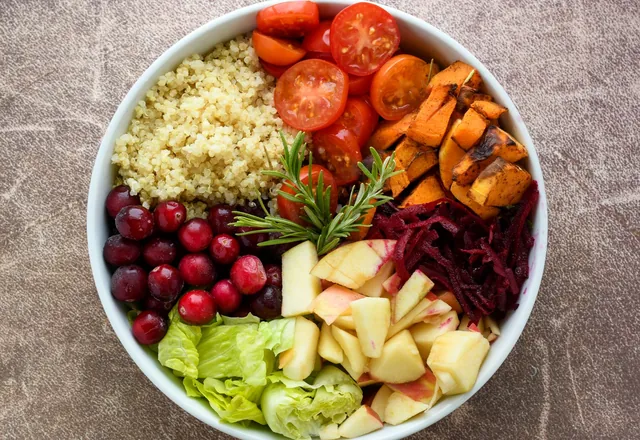
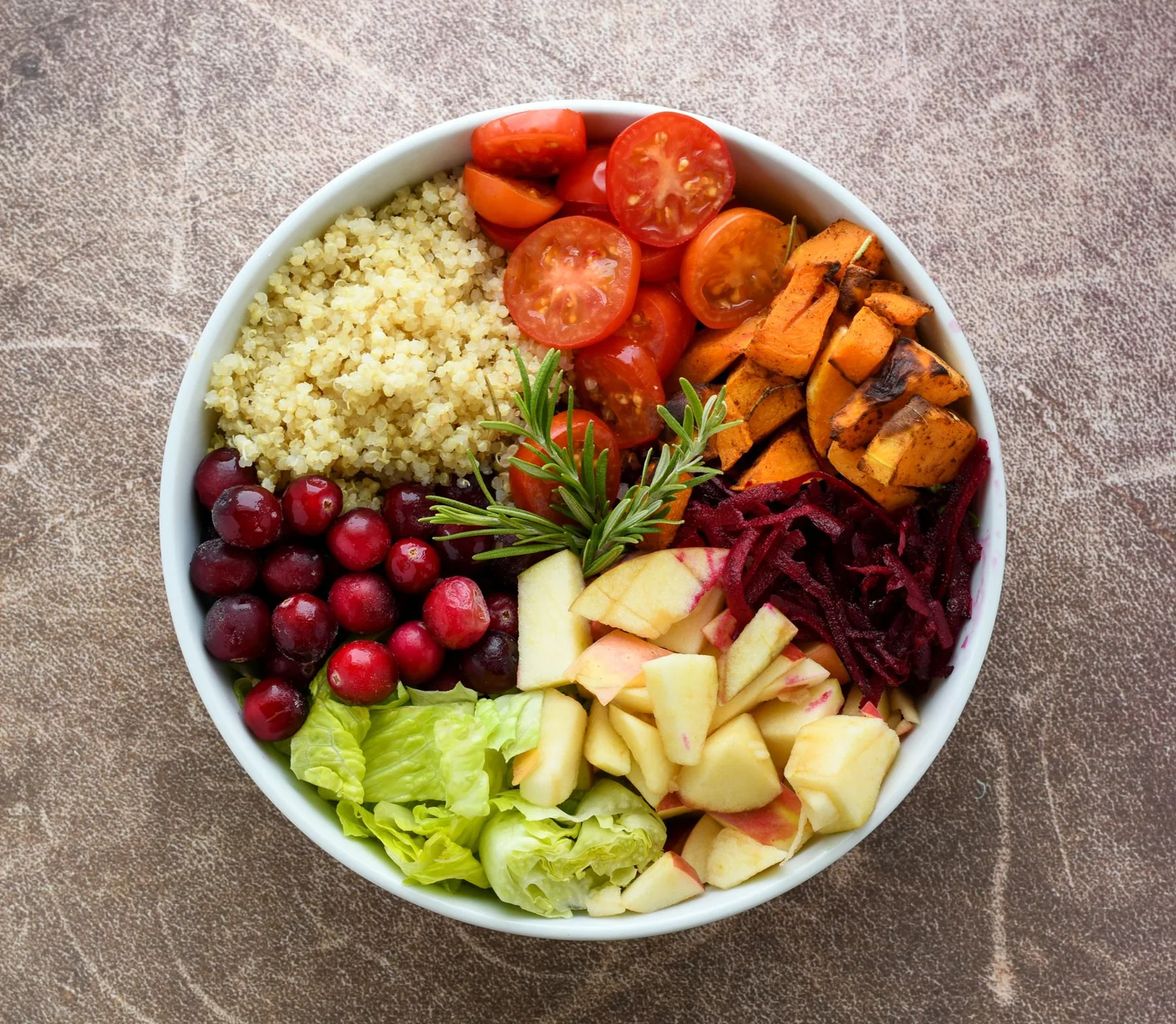
Fresh foods are useful, but frozen vegetables and appropriate canned options can make the pattern easier to follow. Oats, whole-grain bread, and grains you know how to cook can supply familiar bases. A breakfast of oats with fruit, a bean bowl with vegetables, or a sandwich with a substantial side are possible formats. Portions still need to fit your appetite and needs. Do not assume a minimal salad is a complete lunch simply because it contains vegetables, or that a whole-grain label explains all the features of a packaged food.
Review protein and calcium sources
Choose protein foods that suit your diet, including legumes, fish, poultry, eggs, or other appropriate options. If you do not consume dairy, compare fortified alternatives and discuss substitutions when calcium or other nutrients may be affected. Product formulations vary. A plant beverage can look similar to milk while supplying different protein and micronutrient amounts. Consider its actual role: a splash in a drink is not the same as a regular full serving. A dietitian can adapt the framework without requiring foods you avoid for a legitimate reason.
Use individualized guidance and clinical feedback
DASH discussions often mention potassium-rich foods, but advice to increase potassium is not appropriate for everyone. Kidney disease and certain medicines can affect how the body handles potassium. Potassium-based salt substitutes also need consideration. Ask your clinician before using these products or deliberately increasing potassium when you have a relevant condition. A general healthy-eating principle must not override a prescribed diet. Bring the exact product label to the discussion, since a vague description of a salt alternative does not show its ingredients or dose.
If you monitor blood pressure at home, follow professional instructions for equipment and measurement technique. Do not interpret one reading as proof that a particular dinner worked or failed. Share trends with your care team and ask what changes warrant contact. Continue routine follow-up, and seek urgent care for concerning symptoms according to medical advice. Food changes are one part of care alongside other factors. Neither a good meal nor an improved reading gives an article enough information to advise stopping or reducing treatment.
Build a plan you can repeat
Choose two initial changes and test them in ordinary weeks. Keep a lower-sodium staple you enjoy, add an accessible produce option, or learn a bean dish that fits your household. Note cost, taste, preparation time, and whether portions are adequate. Then review the plan with your clinician or dietitian if you are using it for hypertension or another condition. Sustainable application is more useful than a perfect short-lived menu. DASH principles can guide meals while remaining responsive to your medical needs and the practical realities of your kitchen.