Know where reliable sources come from
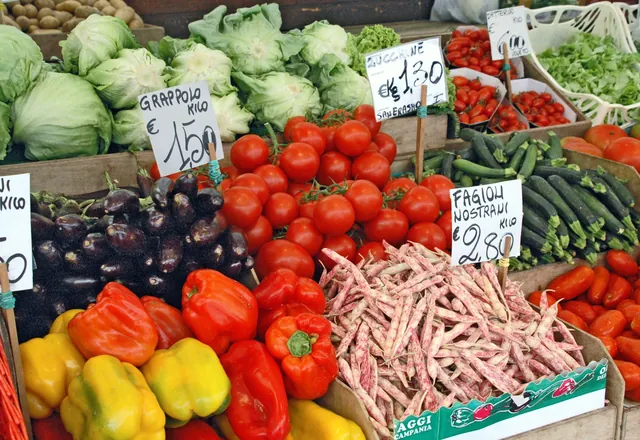
NIH ODS identifies animal foods and foods fortified with vitamin B12 as sources. Unfortified plant foods are not dependable sources of B12. That makes deliberate planning important for people eating entirely vegan. A varied selection of vegetables alone does not answer the B12 question. Read actual labels and seek qualified advice about an appropriate supplementation plan when needed. The requirement is about a nutrient, not whether someone has chosen the correct identity or eating philosophy.
Check the label rather than the food's reputation
Some plant beverages, cereals, and nutritional yeasts are fortified, while others are not. Products with similar packaging can differ. Look for vitamin B12 in the nutrition information and check the serving amount. A seasoning sprinkled lightly may not provide the amount implied by a larger labeled serving. Keep a note of the brand if it forms part of your regular plan. If you switch products, repeat the check instead of assuming fortification carries over.
Separate protein planning from B12 planning
Tofu, beans, lentils, nuts, and seeds can play important roles in meals, but protein content does not establish B12 content. A meal can be satisfying and still leave this particular nutrient unaddressed. Make two distinct questions: what supplies the meal's protein, and what supplies reliable B12 across your routine? This avoids expecting one ingredient to do everything. A labeled fortified product can fit alongside an ordinary bean meal without requiring the entire meal to become a specialized fortified recipe.
Use a routine you can remember
If a professional recommends a supplement, link it to a dependable daily or weekly routine according to the prescribed directions. Use a reminder or medication organizer when appropriate, and keep the product safely stored. For fortified foods, choose occasions where you actually eat the stated amount rather than relying on occasional use. A complicated scheme involving several sporadic products may be difficult to maintain. Ask for a simpler plan if you find yourself repeatedly forgetting or guessing.
Consider absorption and life stage
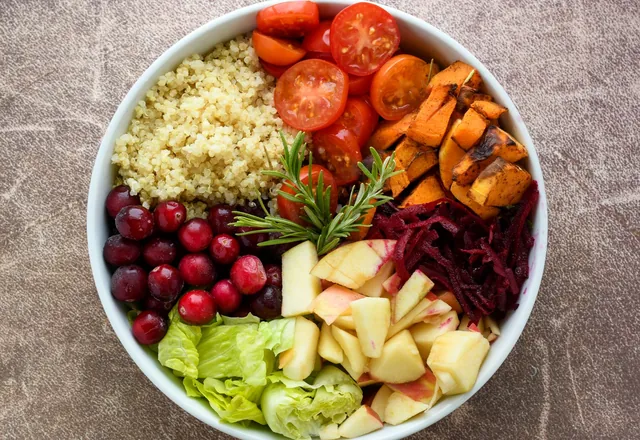
B12 issues are not limited to vegan diets. Certain conditions, older age, digestive surgery, and some medicines can affect the ability to obtain or absorb it. Tell your healthcare professional about your eating pattern and medications if you are concerned. Eating an animal food does not by itself prove that absorption is adequate. Conversely, a carefully planned vegan pattern can address B12 deliberately. The appropriate evaluation depends on personal history rather than a single meal photograph.
Do not diagnose from vague symptoms
Tiredness, tingling, memory complaints, and other symptoms can have multiple explanations. Seek professional assessment for persistent or concerning changes instead of trying escalating supplements. B12 deficiency can require treatment, but an online article cannot establish the diagnosis or choose the treatment route. If you already have a diagnosis, follow the care plan and ask what monitoring is needed. Do not stop prescribed treatment merely because you have added a fortified food to breakfast.
Review the plan when habits change
Moving, changing brands, traveling, pregnancy, or adopting a more restrictive eating pattern can disrupt a previously reliable source. Recheck your routine after those changes. Keep label photos and supplement details so a dietitian or clinician can review actual products rather than vague descriptions. B12 planning can be straightforward once the source is dependable and the routine fits your life. The aim is consistency and clarity, with professional support for individual needs, rather than chasing a supposedly natural food that lacks reliable fortification.