Define the pattern you actually eat
Vegetarian eating can include eggs and dairy, exclude one of them, or be entirely vegan. USDA's vegetarian nutrition resources recognize that the practical plan depends on the foods included. Describe your own pattern before choosing advice. A meal idea for someone who eats eggs may not fit a vegan household. You do not need a commercial meat substitute at every dinner. Beans, lentils, tofu, grains, vegetables, nuts, and other appropriate foods can form recognizable, satisfying meals.
Give each main meal a protein component
Choose a clear protein food, such as beans in a burrito, tofu in a stir-fry, lentils in a sauce, or eggs in a suitable dish. A vegetable plate can be enjoyable but may need additional substance for a full meal. Think about amount and appetite rather than assuming a sprinkle of seeds fills the same role as a main ingredient. If your schedule creates long gaps, make the meal substantial enough or plan another eating opportunity.
Combine components into familiar formats
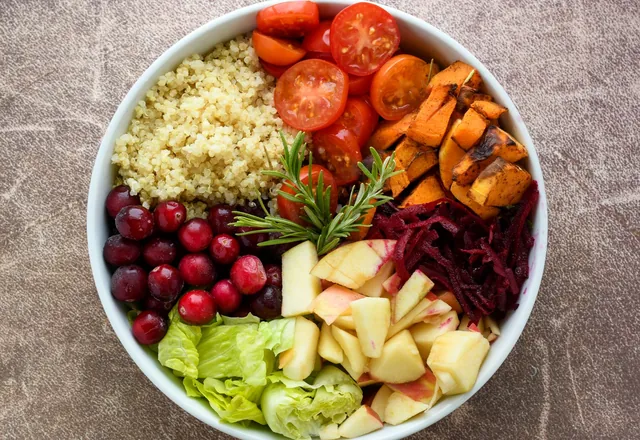
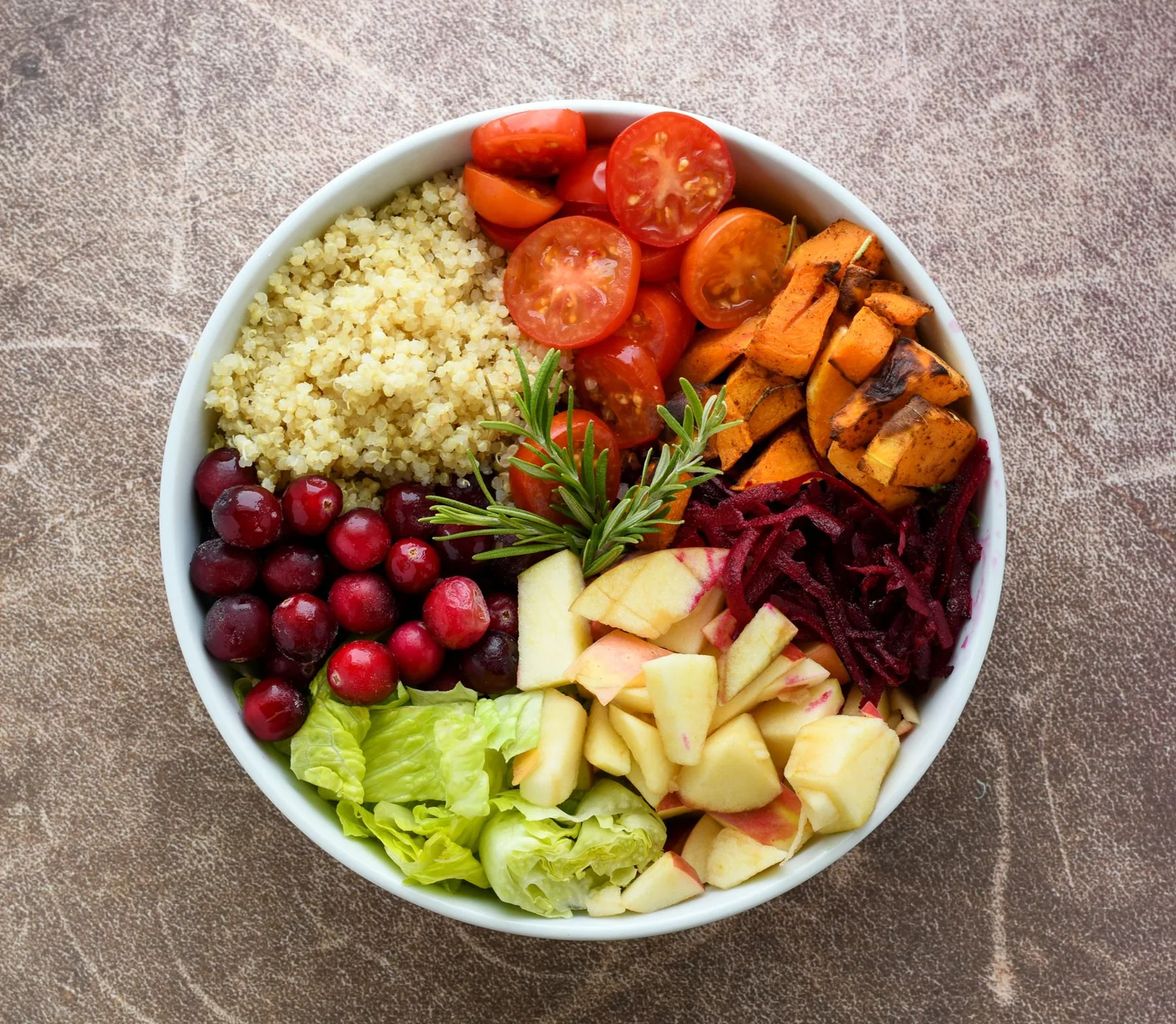
Use meal formats you know: a bowl, sandwich, stew, pasta dish, or tray bake. For a bowl, combine a grain, beans or tofu, vegetables, and an enjoyable sauce. For pasta, add a lentil or bean sauce rather than serving only noodles and a thin tomato topping. A sandwich could use eggs, hummus, tofu, or another suitable filling. These are flexible recipe directions, not precise nutrient formulas. Adapt them to cultural foods and your cooking skills.
Make B12 an explicit question
Entirely vegan patterns need reliable B12 sources through fortified foods or an appropriate supplement plan. Protein-rich plant foods alone do not establish B12 adequacy. Check actual labels on fortified products and discuss supplementation with a qualified professional when needed. People who include some animal foods can still have issues related to intake or absorption. Avoid assuming that the vegetarian label answers the question in either direction. A clear source and repeatable routine are more useful than vague confidence.
Review calcium and iron sources
If dairy is absent, check how calcium is supplied, including labeled fortified products when appropriate. Iron-containing plant foods can fit naturally in meals, and vitamin C foods can accompany them. These considerations do not require every dinner to become a nutrient spreadsheet. They do call for looking beyond a single meat replacement. A dietitian can help if several foods are excluded, appetite is low, or a medical condition creates additional requirements. Use reliable food information rather than an influencer's universal shopping list.
Keep convenience options in proportion
Frozen vegetarian meals, canned beans, and prepared substitutes can reduce cooking work. Compare actual labels for protein, sodium, allergens, and serving size. A plant-based product may be useful without being nutritionally identical to the food it resembles. Use it according to its role. If a packaged meal lacks enough food for your appetite, add an appropriate component rather than assuming the printed serving must be your whole dinner. Convenience is a legitimate consideration in a sustainable routine.
Plan two low-effort dinners
Keep one quick bean meal and one egg, dairy, or soy option consistent with your pattern. For example, canned-bean tacos and a tofu rice bowl use different flavors but overlap in vegetables. Practice the recipes when you have time, then rely on them during busy weeks. Buy ingredients in amounts you can use. Having a realistic fallback matters more than collecting dozens of vegetarian recipes that require unfamiliar ingredients and extensive preparation.
Adjust for individual circumstances
Children, pregnancy, older adults, athletic training, and medical conditions may require tailored planning. Seek qualified advice rather than assuming a general adult recipe collection covers everyone. Make enough food and enjoy variety; vegetarian eating should not automatically become restrictive eating. Review your meals when circumstances change, such as dropping dairy or moving to a place with different fortified products. A balanced pattern develops through dependable foods and thoughtful planning, with professional support when nutritional needs become more specific.