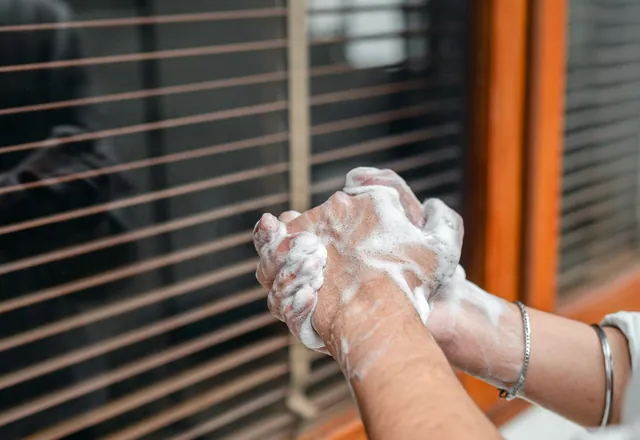
Handwashing at the moments that matter
Build a practical handwashing routine around food, bathroom use, and ordinary transitions.
Prevention, safer routines and better conversations about your health.
Build a practical handwashing routine around food, bathroom use, and ordinary transitions.
Focus on daily cleaning, useful tools, and a dental conversation about your needs.
Use shade, clothing, timing, and sunscreen together when spending time outdoors.
Keep the routine gentle and give each product a clear purpose.
Identify what is entering the air before choosing a fan, filter, or open window.
A smoke-free home and car provide a clearer plan than moving smoke to another room.
Bring your patterns, questions, and obstacles to a qualified source of cessation support.
One dated record can make appointments, pharmacy conversations, and care transitions clearer.
Bring exact labels and a clear question before adding a supplement to your routine.
Use an appropriate monitor, consistent technique, and agreed instructions for readings that need action.
A short concern list, current information, and clear questions can improve the conversation.
A small, secure system can help you find the information that actually matters.
Ask what a test can offer, what it may lead to, and how the recommendation fits you.
Bring your records and questions, and use recommendations that apply to your location and circumstances.
Look at glare, text size, breaks, and vision needs before buying another accessory.
Reduce exposure and use suitable protection for the setting rather than waiting for discomfort.
A simple routine can help you see problems early and ask for appropriate care.
Fit the task to your body and create opportunities to change position.
Look at lighting, clutter, surfaces, and support along everyday paths.
Prepare a cooler place, a practical hydration plan, and a response to warning signs.
Keep raw and ready-to-eat food apart, use temperature information, and plan prompt storage.
Know the local route to urgent help and communicate what you observe clearly.
Check who is speaking, what supports the claim, and whether it applies to your decision.
Make costs visible, ask about assistance, and separate necessary care from optional purchases.