Start with flavor rather than a health claim
USDA MyPlate provides a salt-free seasoning blend as one example of using herbs and spices in cooking. That illustrates a culinary tool, not a treatment. A spice does not need a promise about detoxification, immunity, or metabolism to be worthwhile. Choose seasonings for taste and for the meals you want to make. Small cooking amounts are also different from concentrated supplements or extracts. Advice about an ordinary recipe ingredient should not be stretched into a recommendation for high-dose products.
Choose a short collection
Look at three familiar recipes and identify seasonings they share. You might need cumin and paprika for bean dishes, oregano for a tomato sauce, or ginger for a stir-fry. Begin with those rather than buying a comprehensive rack. Small quantities are sensible when a seasoning is new or used infrequently. A spice you dislike is not useful simply because it appears on a list of essentials. Build the collection around your own cuisine, tastes, budget, and cooking routine.
Taste one change at a time
Try a new seasoning in a familiar dish so you can notice what it contributes. Add modestly according to a reliable recipe, taste at an appropriate stage, and adjust if needed. Several unfamiliar spices added together can make it difficult to identify why the result works or fails. Keep a brief note of amounts and combinations you enjoy. This is especially useful for simple soups or beans that you make often. A dependable recipe can become more interesting without becoming unpredictable.
Distinguish fresh and dried uses
Fresh herbs often contribute a different texture and intensity from dried herbs. Recipe quantities may not transfer directly. Use guidance appropriate to the specific herb and dish, rather than assuming a universal substitution will always taste right. Fresh parsley can finish a bean salad, while dried oregano may suit a simmered tomato sauce. Store each according to appropriate directions and use fresh herbs before they deteriorate. If you buy a bunch for one recipe, plan another use so most of it is not wasted.
Check blends and sauces
A seasoning blend can be convenient, but read its ingredient list. Some contain salt, sugar, allergens, or other ingredients relevant to your needs. A name such as herb blend does not guarantee it is salt-free. Compare the serving and amount you actually use if a clinical restriction matters. Keep the original packaging or label information when transferring a blend into another jar. An unlabeled container creates avoidable uncertainty when you cook for someone with allergies or need to answer an ingredient question.
Add acid and texture alongside seasoning
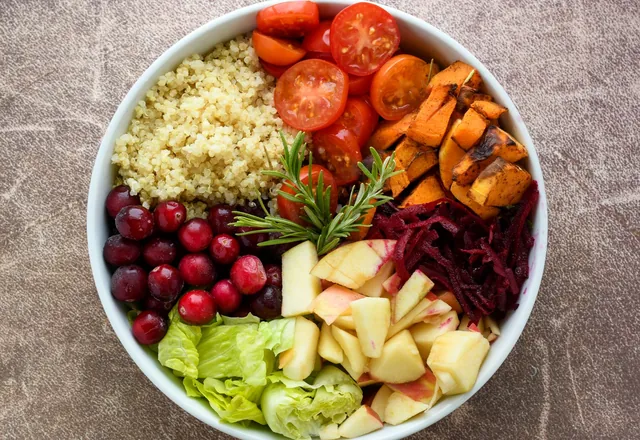
Sometimes a dish needs lemon, vinegar, crunch, or a contrasting sauce rather than more spice. A soft lentil soup may benefit from a bright finish; a grain bowl may benefit from cabbage or toasted seeds. Consider the whole eating experience. Increasing seasoning endlessly can overwhelm the food without solving the actual problem. Try a small portion with the proposed addition before changing the entire pot. This makes experimenting less costly and lets different household members choose their own finish.
Store for practical use
Keep containers closed, dry, and away from excessive heat and direct light. Avoid shaking a jar directly over heavy steam if moisture can enter. Label the contents and purchase date if helpful. Smell and taste can indicate when flavor has faded, but safe handling and packaging still matter. Replace small quantities when needed rather than keeping a large old supply indefinitely. Put frequent seasonings within easy reach so using them does not require unpacking a crowded cupboard every night.
Make one personal blend
Once you know what you like, combine a small amount of a few suitable dried seasonings and label it clearly. Use it for a specific job, such as beans or roasted vegetables. A personal blend saves time but should not hide allergens or other ingredients from people eating the food. Keep the recipe so you can reproduce it. Enjoy the convenience and flavor without attaching medical claims. The most useful seasoning habit is one that makes ordinary meals easier to cook and more pleasant to eat.
- Use a familiar meal to test one new seasoning.
- Buy a small amount before committing to a large container.
- Read blend ingredients when allergies or medical limits matter.
- Label homemade blends so everyone can identify their contents.
- Record combinations you like, then use them in ordinary weekly meals.