Start with one addition
Fiber-rich eating does not require a sudden switch to enormous salads and bran at every meal. NIDDK advises adding fiber a little at a time and drinking enough liquids to help it work. A gradual approach also lets you identify foods you like. Choose one small addition, keep the rest of your usual food reasonably steady, and notice comfort. If you have a digestive condition or instructions to follow a low-fiber diet, ask your care team before changing it.
Map the foods you already eat
Look at an ordinary day without grading it. Perhaps breakfast is toast, lunch is a sandwich, and dinner is rice with chicken. There are several possible openings: whole-grain toast, fruit beside lunch, or beans added to dinner. Pick the easiest opening rather than trying all three immediately. Using an existing meal means you do not have to invent an extra eating occasion. It also gives you a clear comparison when deciding whether the new food suits your appetite and digestion.
Choose an approachable texture
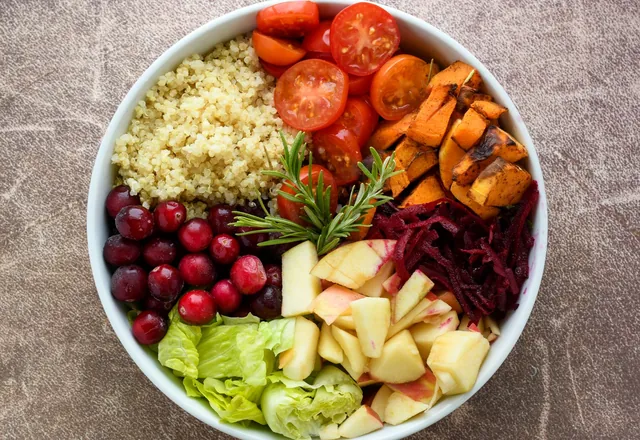
Fiber comes in many textures. Oatmeal is soft, berries are juicy, lentil soup is smooth or chunky, and nuts are crunchy. Someone who dislikes raw vegetables may enjoy cooked carrots or vegetable soup. Someone who finds a large bowl of beans uncomfortable may prefer a smaller amount mixed into rice. Preparation and portion are practical variables worth adjusting. You do not need to force a particular food because a list calls it an excellent choice; variety offers other routes.
Plan the drink alongside the food
Keep an ordinary drink within reach when you eat rather than treating hydration as a separate project. Water, a warm unsweetened drink, or another appropriate beverage can fit your routine. Fluid needs vary, and some medical conditions require limits, so avoid copying a rigid internet target. If you have been told to restrict fluid, ask how a fiber change fits that advice. Carrying a refillable bottle or placing a glass near breakfast may be enough to make drinking easier.
Use a simple kitchen progression
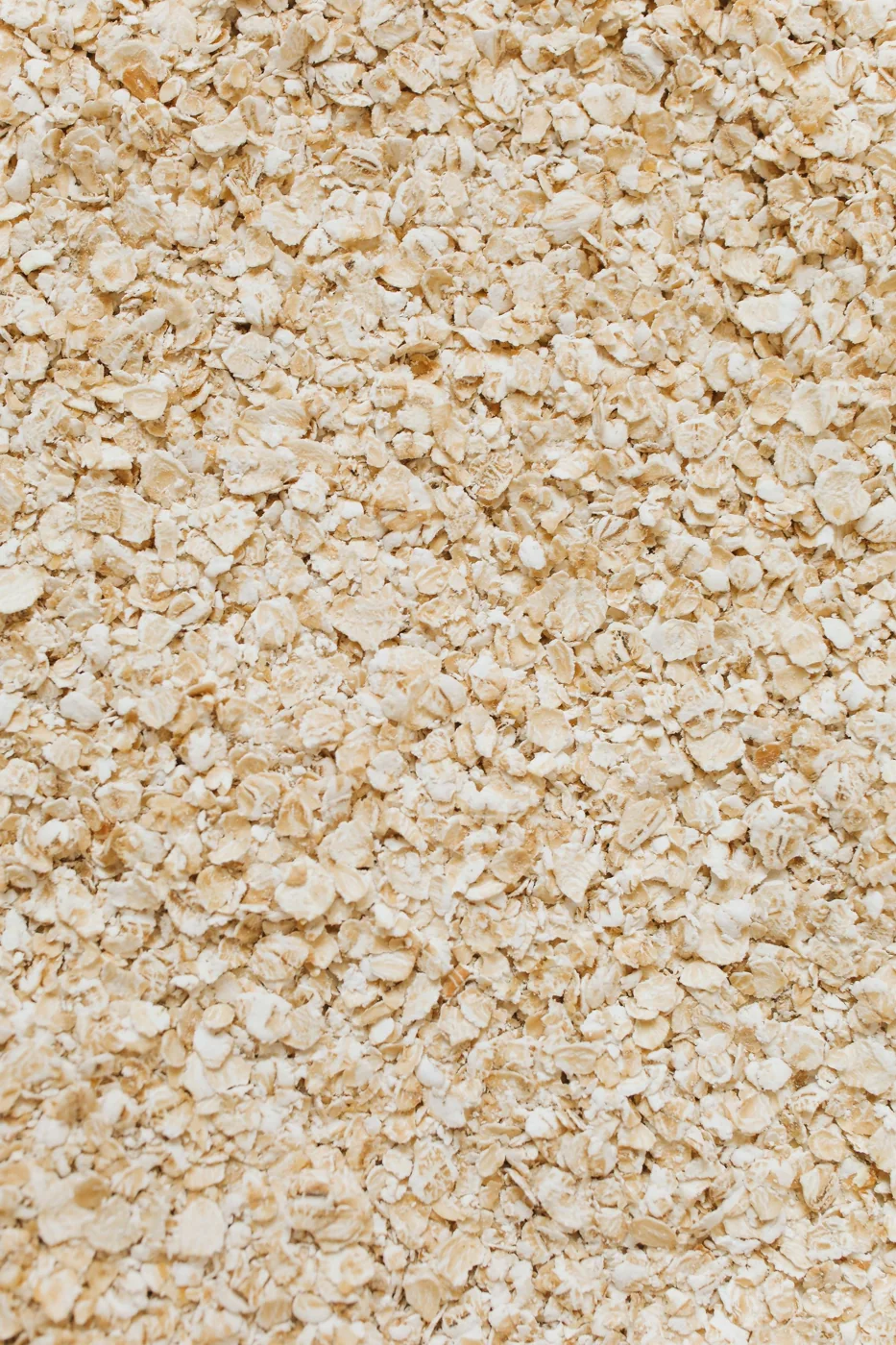
For the first change, stir a small scoop of beans into a familiar soup. Once that feels manageable, try a larger scoop or include beans in another meal. Alternatively, switch one grain choice before making a second change. Keep canned beans and oats visible so the new habit does not depend on a complicated shopping trip. Gradual does not have to mean a fixed calendar; your comfort, schedule, and food preferences can determine when you are ready for another adjustment.
Respond to discomfort thoughtfully
Some people notice gas or bloating when food patterns change. That does not mean every fiber food is unsuitable, but it is a reason to slow down, review the amount, and avoid several simultaneous changes. Persistent symptoms, significant pain, blood in stool, vomiting, or unexplained weight loss deserve medical attention rather than repeated dietary experiments. Fiber is not a universal answer to digestive symptoms. A qualified dietitian can help choose foods and amounts appropriate to a diagnosed condition.
Make the habit sustainable
Once you find a comfortable combination, make it easier to repeat. Batch-cook a grain you enjoy, keep fruit where you remember it, or freeze portions of lentil soup. Avoid judging progress by a perfect numerical total each day. The immediate aim is a broader, repeatable selection of foods that fits your life. A slower change that lasts is more useful than an ambitious shopping basket that goes uneaten. Revisit the plan when your routine, appetite, or medical advice changes.