Plan for the destination
USDA FSIS recommends an insulated lunch bag and at least two cold sources for perishable lunches when refrigeration is unavailable. Pack with food safety in mind, not only convenience. A lunch that works beside an office refrigerator may not work during a long outdoor shift. Find out whether you can refrigerate, reheat, or safely hold hot food before choosing a recipe. If the destination is uncertain, keep an alternative that does not depend on unavailable equipment.
Build a lunch with several components
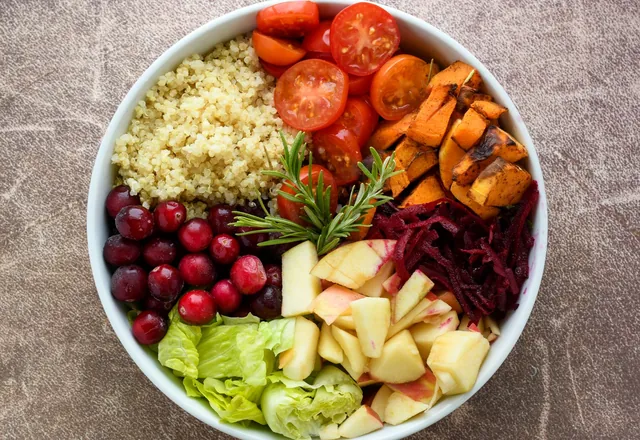
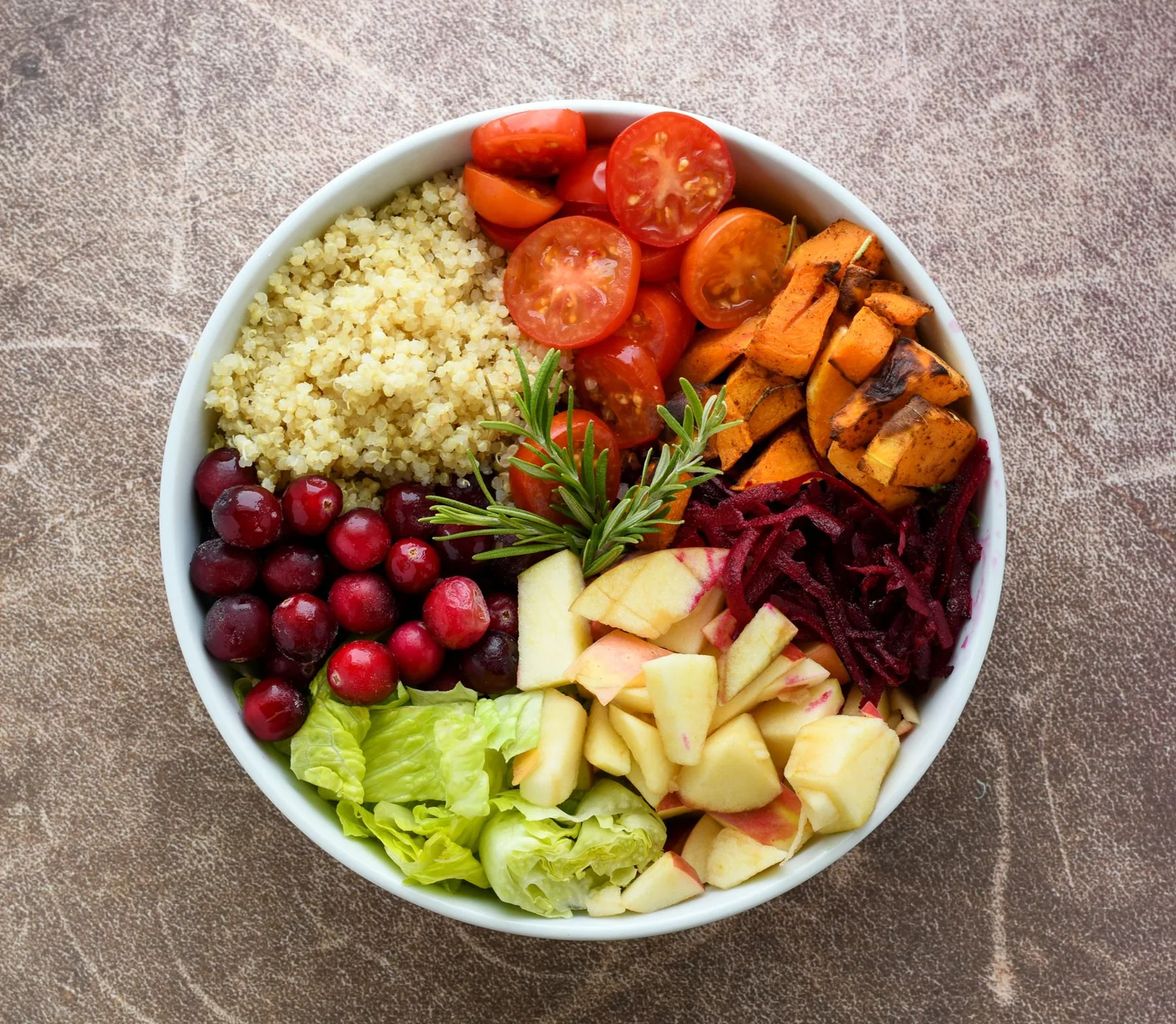
Choose a main component and add foods that make it complete and enjoyable. A sandwich might go with fruit and a vegetable side; a grain bowl might contain beans and cooked vegetables. Portions should suit your appetite and the time until the next meal. A tiny salad is not automatically a better lunch than a substantial sandwich. Think about what helps you work comfortably through the afternoon, and add a planned snack if your schedule creates a long gap.
Prepare the cold parts in advance
Wash or prepare produce appropriately, cook components safely, and chill perishable foods before packing. Set clean containers and cold packs where you will remember them. Separate wet toppings from bread or crisp vegetables if texture suffers during storage. A dressing in a small leakproof container can make the meal more appealing at lunchtime. Use containers you can open easily and carry securely. Food that leaks through the bag or becomes soggy is unlikely to become a dependable habit.
Match the container to the meal
A flat container may work for a sandwich, while soup needs a securely sealed vessel appropriate to temperature. For hot food, use a suitable insulated container and follow established safe-holding instructions. An ordinary container labeled convenient does not necessarily hold a safe temperature until lunch. If you cannot verify the setup, choose a cold lunch with proper cold sources or shelf-stable components. Packaging should support the food's actual needs rather than simply fit neatly into a fashionable bag.
Make reheating straightforward
When reheating is available, pack in a suitable container and consider whether the meal will heat evenly. A dense block may be harder to reheat thoroughly than a portion arranged more evenly. Follow food-safety guidance for leftovers and use a thermometer when appropriate. Do not assume steam at the edge means the middle is ready. A meal that takes longer than your break allows may be a poor workday option even if it is delicious at home.
Keep a backup for disrupted days
A meeting, forgotten bag, or broken microwave can interrupt the plan. Keep suitable shelf-stable food at work if permitted, such as unopened crackers, a tolerated nut or seed butter, or other foods matching your needs. Check package directions and allergies. A backup is not intended to replace every full lunch, but it can prevent an unplanned long gap. Make the option something you enjoy and refresh it periodically. An emergency stash you dislike may sit untouched until it is no longer useful.
Review cost and enjoyment together
Notice which lunches are affordable, survive transport, and are actually eaten. Leftovers can be useful, but not every dinner translates into a pleasant cold meal. Pack a separate lunch portion during preparation instead of relying on there being enough left. Use familiar flavors and rotate one component for variety. If you repeatedly buy lunch despite bringing food, identify the barrier: inadequate portions, poor texture, too much assembly, or simply wanting a different option. Adjust the plan accordingly.
Finish with safe handling
Keep perishables cold until eating and do not save food that has spent too long at unsafe temperatures. Reusable containers and bags need regular cleaning; a spill can contaminate the next lunch. Return cold packs to the freezer and wash containers so tomorrow's setup is ready. For children's lunches, include instructions they can realistically follow. A successful packed lunch is a whole routine from preparation to cleanup, with enough enjoyable food and a storage plan appropriate to the day.
- Check whether the destination has refrigeration and a usable reheating option.
- Pack perishable foods with suitable cold sources when needed.
- Choose containers that seal and match the food's temperature needs.
- Bring enough food for the time until the next eating opportunity.
- Clean the bag and containers regularly so tomorrow's lunch starts with clean equipment.