Plan the leftover before making it
USDA's food-waste guidance encourages practical steps such as planning, storing food appropriately, and using what you have. A leftover is more likely to be eaten when it already has a destination. Before cooking a large batch, decide whether extra food becomes tomorrow's lunch, a second dinner, or a frozen portion. If none of those plans is realistic, make less. Reducing waste does not require forcing yourself to finish food you do not want or keeping it beyond safe limits.
Distinguish components from finished meals
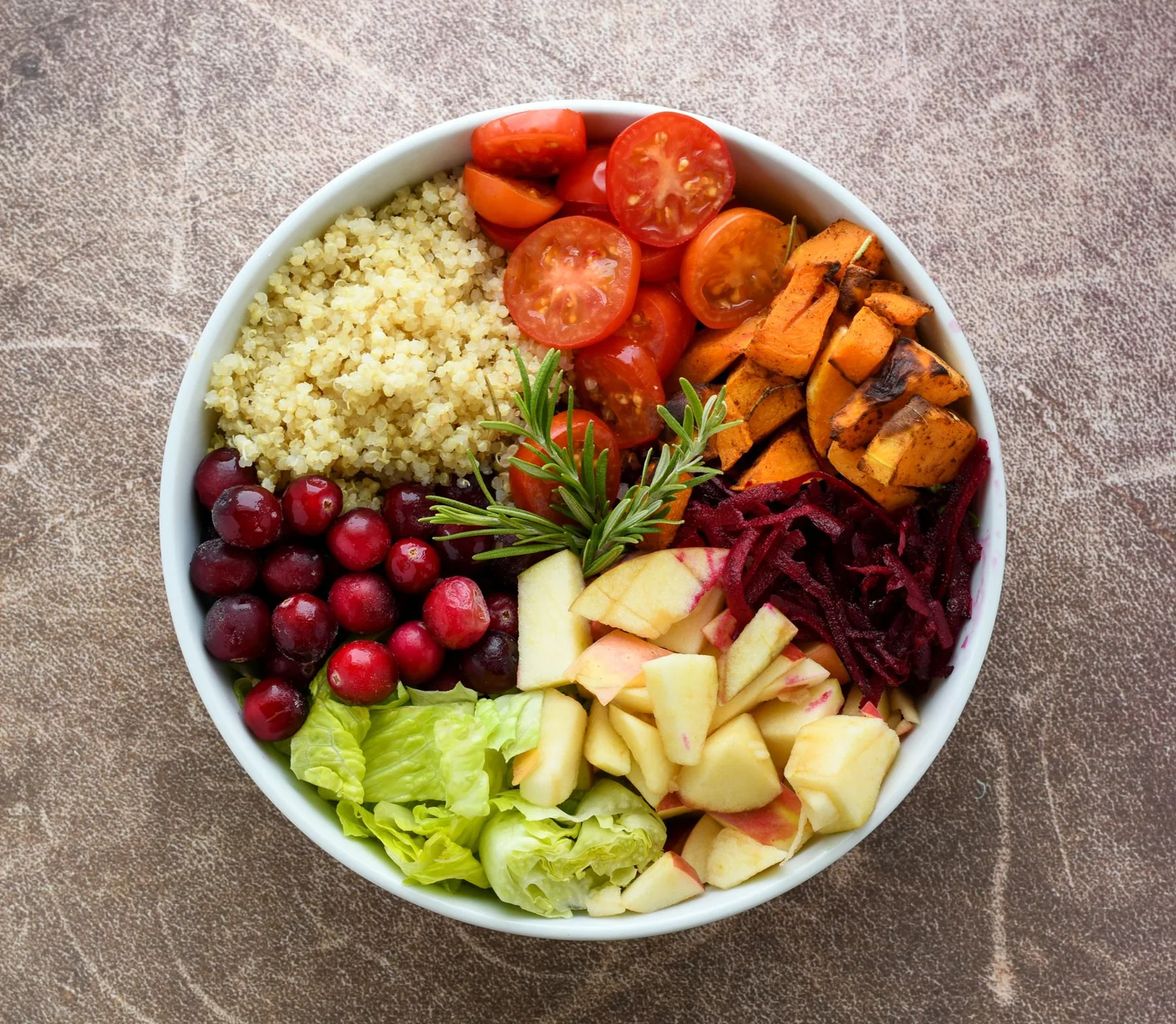
A plain cooked grain, roasted vegetable, or bean mixture may adapt more easily than a fully assembled dish. You can use rice beside stew one day and in a suitable bowl another. Keep components separate when that helps texture and flexibility. Use safe storage throughout. This approach can suit a household with different preferences because sauces and toppings can change at serving. Do not make extra components simply because they are flexible; choose amounts linked to actual upcoming meals.
Label so memory is unnecessary
Write the food's name and preparation date on the container. A transparent lid or a note on the fridge can make it visible. Avoid relying on an unlabeled container's appearance several days later. If you freeze food, use packaging appropriate to freezing and add useful preparation information. Labels are most effective when you also plan when to check them. A weekly glance through the fridge can catch food that still has a safe, realistic use before it is forgotten.
Keep safety ahead of thrift
Follow current guidance for cooling, refrigeration, and reheating. Do not taste food to determine whether it has been stored safely, and do not assume reheating rescues food that spent too long at unsafe temperatures. If you are unsure about handling, choose safety. This is particularly important for people at higher risk of foodborne illness. Waste prevention starts before food becomes unsafe: smaller batches, prompt storage, and clearer plans. It should never depend on eating something with a questionable history.
Use a flexible second meal
A cooked vegetable can join a soup, an appropriate protein filling can enter a sandwich, and a sauce can accompany a different grain. Choose combinations that fit flavor and texture rather than dumping every leftover into one dish. Follow safe reheating instructions. If a food does not suit a new recipe, serving it as a side may be simpler. A second meal does not have to conceal the original ingredient or look completely different to be worth eating.
Freeze earlier when plans change
If the meal you expected to eat tomorrow is no longer likely, consider safe freezing while the food is still suitable. Do not wait until the end of the storage window because the freezer seems like a last resort. Freeze in amounts you will use, since a large block can be inconvenient to thaw and reheat. Record the contents and date. Review the freezer occasionally so saved food does not become a hidden collection that never returns to the meal plan.
Buy for the week you have
An ambitious shopping trip can create waste when the actual week is full of travel or late shifts. Choose fewer perishables and more flexible frozen or shelf-stable options when needed. A large discounted pack may not save money if you cannot portion and store it. Consider whether prepared produce or a smaller package is more useful despite a higher unit price. Value depends on the portion you actually use, not only the price printed on the shelf.
Learn from one discarded item
If a food is wasted, identify a concrete cause without blame. Was it hidden, disliked, bought for a canceled recipe, or too much to finish? Change one thing next time: buy less, label it, select another product, or plan an earlier meal. Keep a short list of successful leftover combinations. The goal is a kitchen routine that uses food more reliably. Occasional waste can happen, but thoughtful planning reduces it while preserving food safety and enough enjoyable meals.