Separate serving size from your portion
NIDDK explains that a serving size on a label is not a recommendation for how much you should eat. Your portion is the amount you choose or are served. Those amounts may differ for perfectly ordinary reasons, including hunger, activity, and the rest of the meal. You can use a label to understand a package without treating its serving size as a strict personal limit. This distinction is especially useful when one container is divided into several labeled servings.
Put food where you can see it
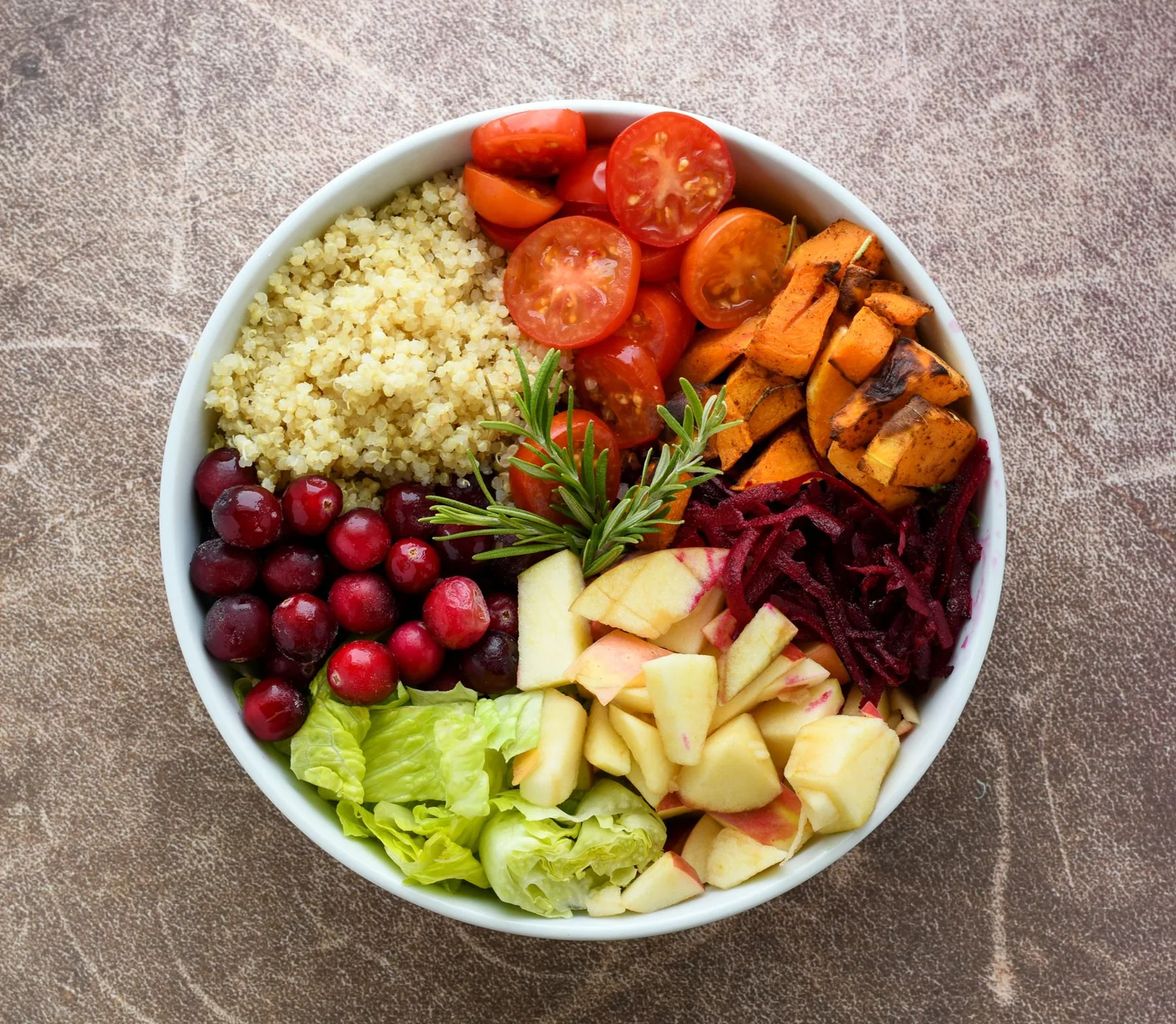
Serving food on a plate or in a bowl can make it easier to notice what you are eating than repeatedly reaching into a large bag. This is a practical cue, not a rule that packaged snacks are wrong. Start with an amount that seems reasonable for your hunger, then allow yourself more if needed. If food is scarce or meals are irregular, the more urgent goal may be reliable access to enough food rather than refining portion habits.
Use familiar dishes as reference points
A favorite bowl can become a useful reference for soup, rice, or cereal. Learn what amount normally feels comfortable in it, then adjust when circumstances change. Hand-size comparisons can be rough reminders, but they are too imprecise to serve as medical measurements. People have different hand sizes and nutritional needs. If a treatment plan requires a measured amount of a nutrient, use the tools your clinician recommends. Everyday visual cues should remain flexible rather than pretend to deliver exact numbers.
Pause to notice comfort
At a convenient point during a meal, notice taste, hunger, fullness, and whether you want more. You do not need a timer or a score. Some meals happen quickly because life is busy; that does not make them failures. If possible, reduce one distraction so you can enjoy the food more clearly. Hunger and fullness cues can be affected by medication, stress, illness, and past restriction. They are information to consider alongside regular eating, not an infallible system everyone should rely on alone.
Consider the time until you eat again
A small snack before an early dinner serves a different purpose from lunch before a long shift. Include enough food for the situation. A meal that repeatedly leaves you urgently hungry soon afterward may need more substance or a planned snack. Look at the combination as well as the size: grains, protein foods, produce, and enjoyable fats can contribute different roles. Avoid assuming that reducing the portion is always the healthier adjustment. Sometimes adding food is the practical change.
Handle large restaurant portions flexibly
If a restaurant meal is more than you comfortably want, you can save some safely for later or share when appropriate. You can also eat the amount you need without deciding in advance that it must be half. Consider food-safety limits for leftovers, especially if you will be away from refrigeration. Ordering a side dish or an additional component may work better for your appetite than choosing the smallest item automatically. Restaurant eating includes enjoyment and social connection as well as portion decisions.
Keep cues from becoming restrictions
If portion planning leads to guilt, rigid limits, or anxiety about eating, step back and seek support from a qualified professional. People recovering from eating disorders may need structured eating guidance rather than appetite-based adjustments. For ordinary meal planning, use visual cues to simplify decisions, not to earn permission to eat. Review patterns over time: which breakfasts last, which lunches need another component, and which snacks are useful. A flexible routine can support comfort without turning food into constant arithmetic.