Understand the pattern rather than a promise
The Mediterranean pattern commonly emphasizes vegetables, fruit, legumes, whole grains, nuts, olive oil, and fish, with other foods in varying amounts. NIA discusses research on Mediterranean and related patterns while noting limits in establishing effects on conditions such as dementia. No menu can guarantee prevention. Use the pattern as a food-planning approach, not a treatment or a requirement to copy one country's dishes. Many cuisines offer meals built around the same broad ingredients.
Start with a meal you know
A bean stew, vegetable-and-grain bowl, or fish dinner may already share features of the pattern. Add a produce component or change one ingredient rather than discarding familiar food. For example, beans with tomato and rice can take several seasoning directions. Local vegetables and ordinary canned legumes are useful; imported specialty products are optional. The aim is a practical collection of meals that fits your budget, not an expensive pantry arranged to look like a holiday photograph.
Make legumes an ordinary main component
Choose a few bean or lentil dishes you enjoy. A chickpea stew, lentil soup, or white-bean pasta sauce can provide an affordable base. Use safe preparation methods for dried legumes and appropriate storage for cooked batches. If legumes are new, introduce amounts gradually and choose textures you find comfortable. They do not have to mimic meat. Give them enough presence in the dish and combine them with other foods that make the meal satisfying.
Use olive oil as an ingredient
Olive oil can suit dressings and many recipes, but it does not confer unlimited health benefit regardless of quantity or context. Choose a product and cooking method appropriate to the dish. A simple dressing of oil, lemon, and herbs may help you enjoy a vegetable-and-bean meal. Other suitable oils may be more practical for some recipes or budgets. The broad pattern matters more than insisting every meal contain one exact oil or purchasing a premium bottle you cannot afford.
Give grains and produce useful roles
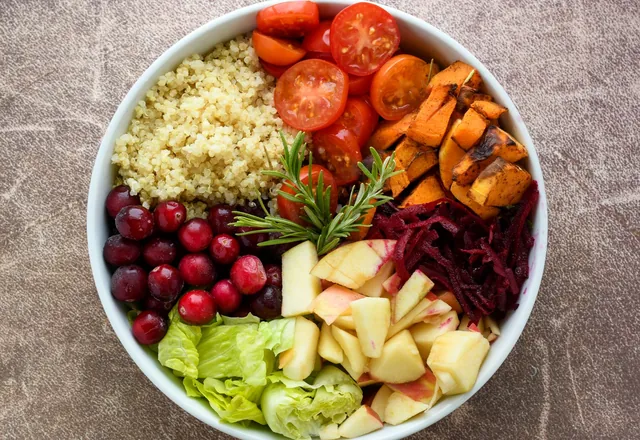
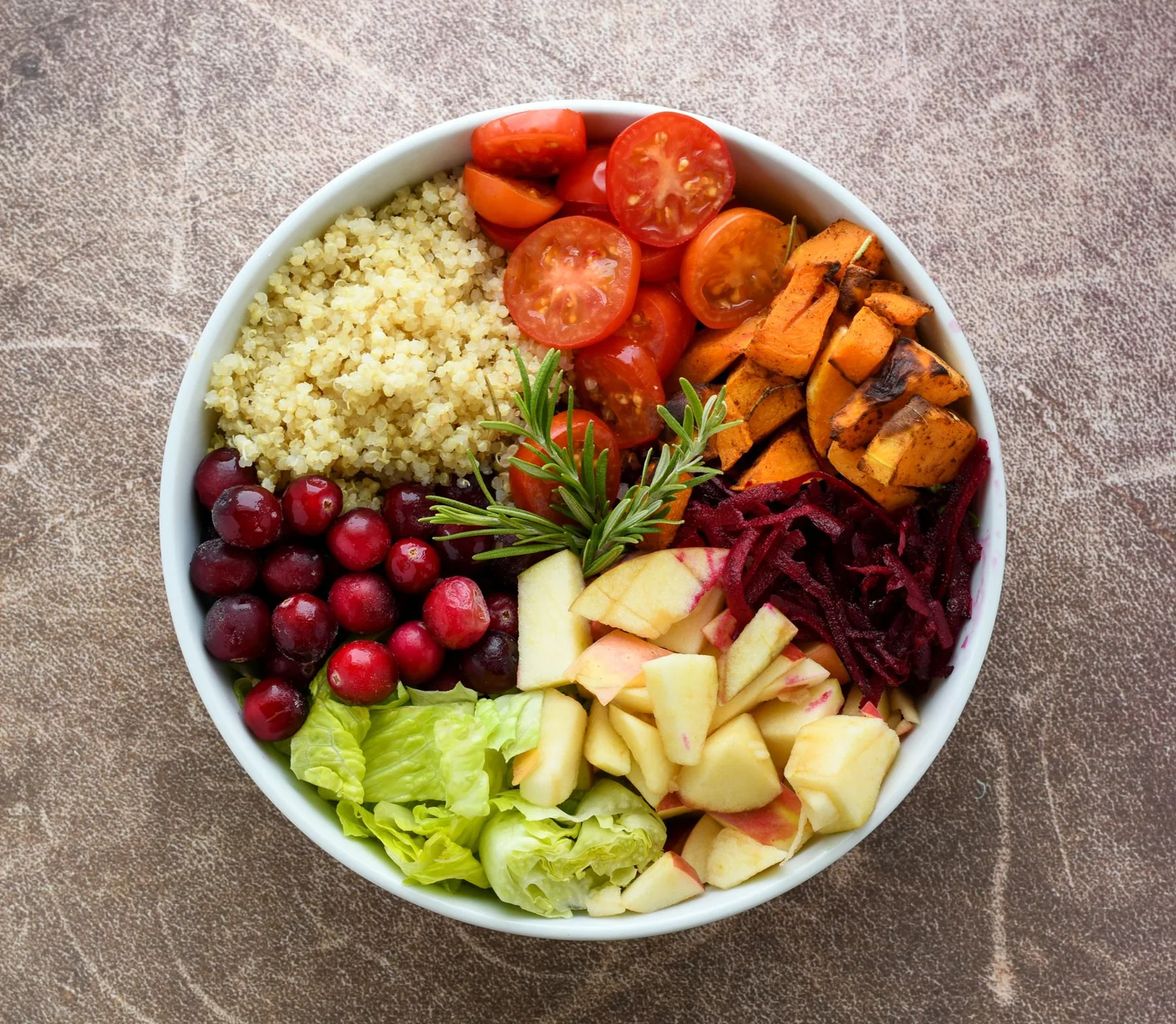
Whole grains can serve as a base or accompaniment; vegetables can enter soups, stews, sauces, or sides. Fruit may be part of breakfast, lunch, or dessert. These ingredients do not all need to appear in every meal. Keep fresh, frozen, and appropriate canned options so the pattern survives busy days. A tray of roasted vegetables can accompany several dishes, while a bag of frozen spinach can finish a quick stew. Choose variety that you can realistically prepare.
Consider fish and other protein foods
If you eat fish, choose suitable varieties and follow current food-safety and life-stage guidance. Canned fish may be convenient, while fresh or frozen fish may fit other meals. If you do not eat fish, ask about planning appropriate alternatives rather than treating the pattern as unavailable. Eggs, dairy, legumes, and other protein foods can have roles depending on your preferences. The pattern is not a single prescribed menu, and individual dietary restrictions still require attention.
Do not add alcohol for health
Some descriptions of Mediterranean eating include wine, but that is not a reason to start drinking. Alcohol brings health and safety considerations and may be unsuitable with pregnancy, certain conditions, or medicines. You can use the food pattern without it. Similarly, reject claims that one food or drink cancels out risks elsewhere. A useful approach should support your existing needs and clinical advice rather than introduce a new exposure because it appeared in a lifestyle image.
Build a repeatable weekly plan
Choose two or three meals that share useful ingredients: lentil soup, a vegetable-and-bean bowl, and a fish or alternative protein dinner. Keep a quick pantry version for disrupted weeks. Review taste, cost, and whether you eat enough. If you have a clinical goal, discuss the pattern with a dietitian who can adapt it. Everyday meals, cultural preferences, and realistic preparation matter more than achieving an idealized version of a regional diet.