Choose a result before a method
Health Canada's cooking resources describe several preparation methods, including steaming, roasting, and sautéing. Each can produce a different experience. Ask whether you want crisp edges, a soft soup ingredient, or a tender side. The method should serve that goal. Vegetables do not have to be raw to be useful in meals, and no single method is best for every ingredient. Start with one vegetable you already like and learn how its texture changes.
Make pieces similar enough to cook together
Large and small pieces in the same pan can finish at different times. Cut to a reasonably consistent size where possible, accounting for the ingredient's shape. A whole carrot and a thin slice will not behave alike. If cutting is difficult, pre-cut or frozen vegetables may be practical options. Use a stable board and appropriate knife skills. Preparation should make the meal accessible; it does not require a decorative cut or perfect restaurant-style pieces.
Use roasting for a particular texture
A suitable roasting recipe can create browned edges and concentrated flavor. Space matters: a crowded tray can trap moisture, changing the result. Follow a tested recipe's oven setting and timing, then check the actual food. Different ovens, pan sizes, and vegetables may require adjustment. Use appropriate oven equipment and handle hot trays carefully. Roasting is not a test of whether you can make every vegetable crisp; some ingredients naturally remain softer and suit that texture.
Steam or simmer with purpose
Steaming can suit vegetables you want tender without browned edges. Simmering makes sense when the vegetable is part of soup or stew. Follow a recipe and check texture so the food does not become softer than you enjoy. Water used in a soup is part of the dish, which changes the practical context compared with boiling and discarding the liquid. Avoid rigid claims that one method preserves every nutrient perfectly. Cooking is a combination of safety, texture, flavor, and the food's role.
Finish with flavor thoughtfully
A squeeze of lemon, a small dressing, herbs, or spices can make a vegetable side more appealing. Choose a flavor that fits the rest of the meal. If broccoli feels bland, try a familiar sauce rather than assuming you must eat it plain for it to count. Taste before adding more salt, especially when sauces already contain it. The aim is vegetables you are happy to eat again. Enjoyable additions can support that goal without turning the dish into a health promise.
Combine vegetables with other components
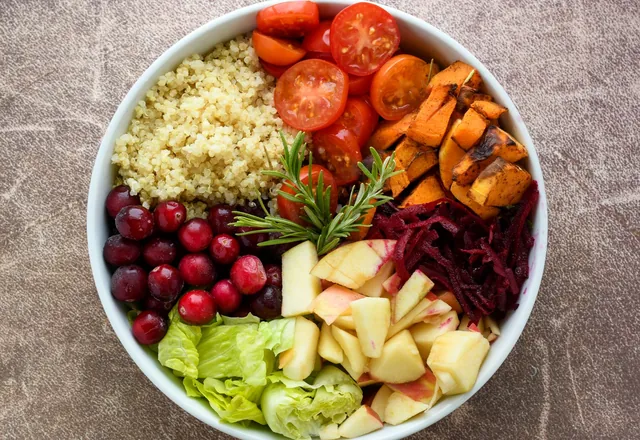
Cooked vegetables may be easier to use within a meal than as an isolated side. Add appropriate cooked greens to pasta, use roasted carrots in a grain bowl, or include cabbage in a stir-fry. Make sure protein and enough other food are also present when this is a full meal. A tray of vegetables alone may not satisfy your hunger. Think about how texture and flavor connect the components rather than trying to maximize the number of different vegetables in one dish.
Learn from one trial
After cooking, note what you would change: smaller pieces, less crowding, a different seasoning, or a shorter cooking time. Change one factor on the next attempt. This makes the result easier to understand than following a completely new recipe each time. Keep a short list of reliable methods for vegetables you buy regularly. You do not need to like every preparation. A comfortable rotation of a few dependable dishes can make produce much easier to use during a busy week.
Store the extra portion safely
If you cook more than you need, refrigerate leftovers promptly according to food-safety guidance and plan a realistic next use. A roasted vegetable may work in a bowl or soup; a very soft vegetable may not suit a crisp salad. Keep storage and reheating needs in mind before making a large batch. Do not leave cooked produce on the counter overnight because it lacks meat. Food safety applies to cooked vegetable dishes too. Good preparation ends with a safe, useful plan for what remains.