Begin with the grain ingredient
The front of a package is designed to catch attention. Turn it over before deciding that a brown loaf or rustic-looking cracker is whole grain. FDA's whole-grain guidance distinguishes factual whole-grain statements from potentially misleading claims. The ingredient list helps identify whether a product includes whole-wheat flour, whole oats, or another whole grain. Color, seeds on top, and words such as multigrain do not by themselves tell you that all the grain ingredients are whole.
Understand what you are comparing
Two breads may serve very different purposes. A soft sandwich loaf might be convenient for packed lunches; a dense seeded loaf may be enjoyable toasted. Compare foods you would actually use, not an idealized product you dislike. Read both the ingredient list and serving size, then look at nutrients that matter for your household. A bread with whole grains can still contain sodium or added sugar. No single front-of-pack phrase explains the entire food.
Distinguish several familiar terms
Whole wheat identifies a particular grain, while multigrain simply suggests more than one grain type. A product can contain several refined grains. Enriched flour refers to a different processing and fortification description, not a synonym for whole grain. If the wording seems unclear, use the ingredients instead of guessing from the marketing. Products with mixed grain ingredients can still fit a varied eating pattern; the goal is to understand what you are buying and how it compares with alternatives.
Check portions before comparing numbers
Imagine one cereal lists fiber per half-cup and another per full cup. Looking only at the fiber number could exaggerate the difference. Compare a similar amount or consider the amount you normally pour. The same issue appears with thin slices versus thick slices of bread. You do not need to calculate every nutrient in the aisle. Pick one or two features you want to compare and make sure the portions are close enough for that comparison to be useful.
Look beyond packaged bread
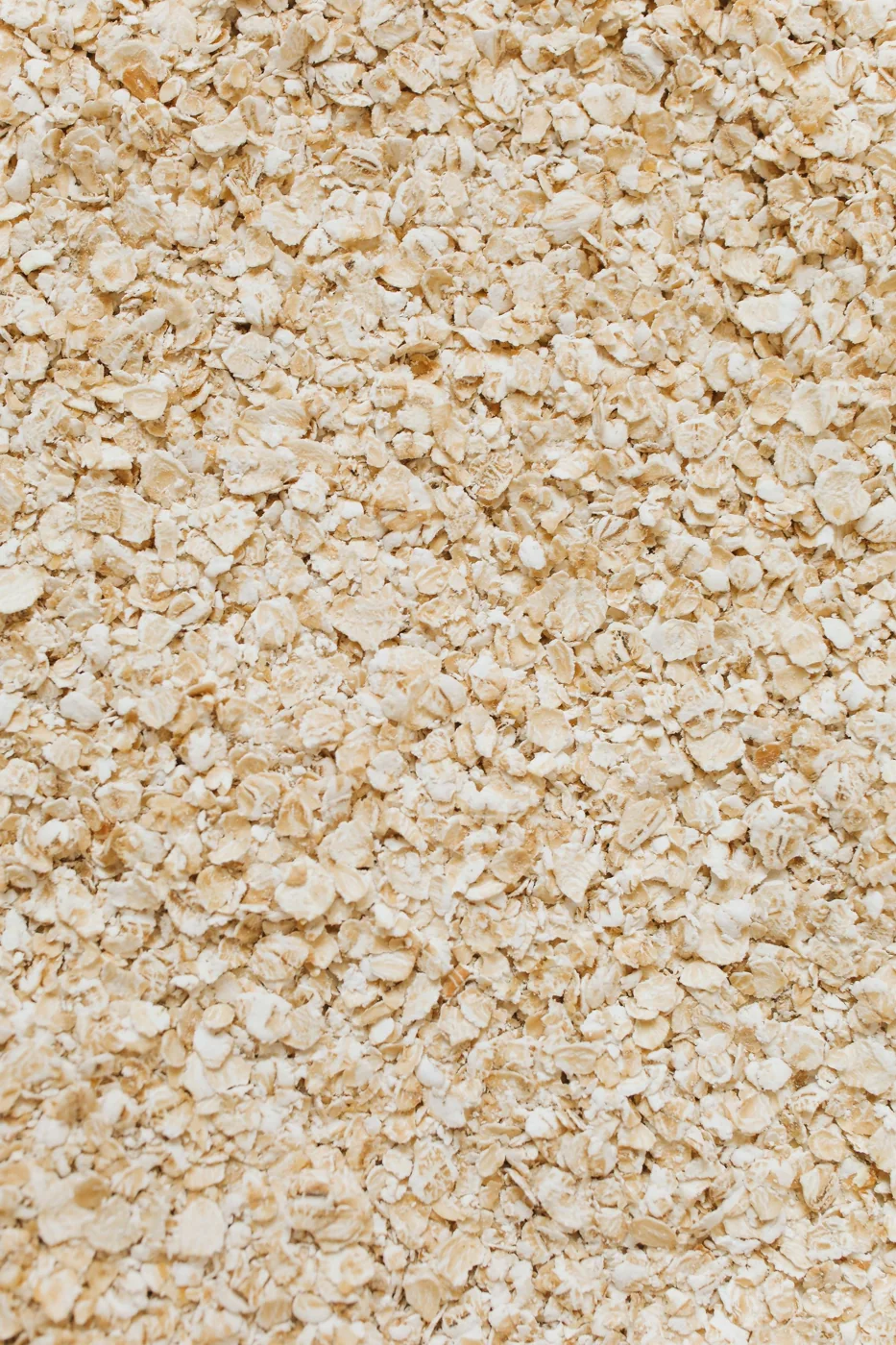
Whole-grain choices can include oats for breakfast, brown rice in a bowl, barley in soup, or whole-wheat pasta. Some are easy to identify because the package contains one grain rather than a long recipe. Start with a form that suits your kitchen. Quick oats may be more practical than a grain requiring a long simmer. If changing pasta texture is difficult, try it in a sauce you already enjoy or choose a different whole grain for another meal.
Store what you will finish
A bargain bag is only useful if you can keep and use it. Follow package storage directions, close grain containers securely, and label the purchase date. Freeze extra bread in portions if you will not use it soon. Try a small bag of an unfamiliar grain before buying in bulk. Your first experiment might be barley added to vegetable soup rather than replacing every grain in the house. This reduces the cost of finding out that a texture is not for you.
Keep a short shopping note
Once you find a suitable product, note its name and what made it useful: taste, ingredients, cost per portion, or easy preparation. Packaging changes, so periodically recheck the label. Use the note to reduce repeated decision fatigue, not to create a list of foods you are forbidden to eat. Whole-grain choices work best as ordinary staples within a varied pattern. If you need a gluten-free diet, whole grain and gluten free are separate questions that both require attention.