Begin with what your skin tolerates
A basic skin routine does not require many steps. Gentle cleansing, appropriate moisturizing, and sun protection can provide a manageable starting point, with professional advice for a specific condition. The American Academy of Dermatology recommends gentle face washing rather than aggressive scrubbing. More products are not automatically better, especially when you cannot tell which one is helping or irritating your skin.
Think about the purpose of each item. Does it remove ordinary dirt or makeup? Help with dryness? Protect against sun exposure? Treat a condition under professional guidance? A product that has no clear role may simply add cost and complexity. Packaging, scent, and the number of ingredients do not establish that an item is suitable for your skin.
Follow the cleanser's instructions and avoid very hot water or harsh rubbing. Use a gentle method rather than trying to scrub a concern away. If the face feels tight, sore, or persistently irritated after washing, review the products and seek advice as needed. The sensation of stinging is not a reliable sign that a product is doing something beneficial.
At the end of a long day, a simple setup can help. Keep the items you actually use together, with a clean drying cloth if needed. If your routine has become so complicated that you avoid it, identify the essential steps with an appropriate professional and simplify. A bathroom shelf is not a scorecard, and you do not have to use every product you have bought.
When trying something new, avoid changing several items at once. If irritation appears after multiple changes, it becomes harder to identify the relevant product. Use the manufacturer's instructions, and ask a clinician about suitability if you have eczema, acne, rosacea, allergies, or another skin concern. A general routine is not a substitute for condition-specific care.
If you share a bathroom, label personal products clearly and avoid assuming another person's prescription cream is suitable for you. Keep any treatment instructions with the correct product. Ordinary storage can prevent accidental use and makes it easier to tell a clinician exactly what you applied.
Work with ordinary limits
Budget, sensory preferences, dexterity, and time all affect what you can keep doing. You may need an unscented option, a pump that is easier to operate, or a routine short enough for a changing work schedule. These are practical design questions. The expensive product a friend likes may not solve any of them.
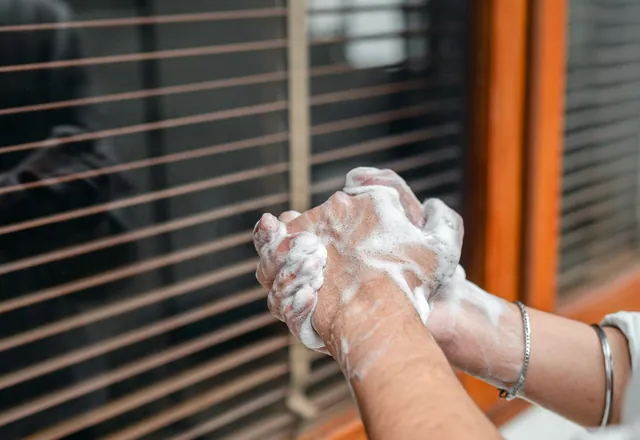
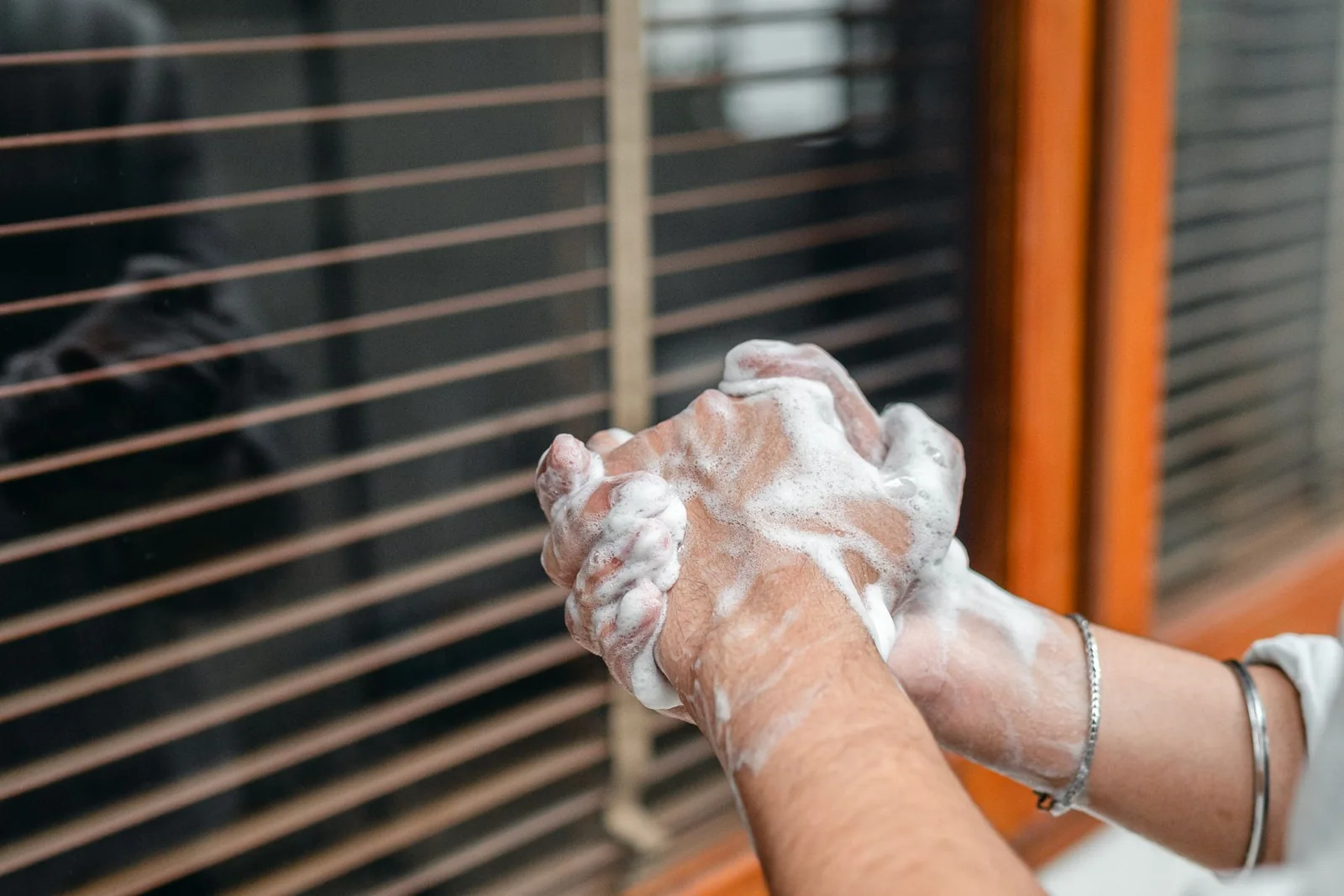
For example, someone who washes their hands frequently at work may need advice about dryness and access to a suitable moisturizer. Someone who wears heavy makeup may need a comfortable way to remove it. Someone with no such need may not benefit from adding a removal step simply because it appears in a popular routine. Begin with the situation you have.
Give symptoms the right attention
Seek qualified advice for a persistent rash, pain, swelling, a concerning change, or symptoms that do not improve as expected. Severe allergic symptoms such as breathing difficulty or significant facial swelling require immediate local emergency help. Do not keep applying a product that seems to be provoking a serious reaction in an attempt to finish a recommended trial.
Bring the product names or clear label photographs to an appointment if they may be relevant. Tell the clinician when you started using them and what changed. For ordinary maintenance, choose a small routine you can describe in one or two sentences. That makes it easier to follow, easier to review, and easier to adjust when your skin or circumstances change.