Think about the sequence before starting
Food safety is easier when the kitchen sequence keeps raw ingredients, clean equipment, and ready-to-eat food from crossing paths. FoodSafety.gov summarizes the basics as clean, separate, cook, and chill. These are connected steps. Washing hands once at the beginning does not cover every later transition, and cooking one item thoroughly does not make a contaminated salad safe.
Before a meal, identify what will be eaten without further cooking and what will be handled raw. Put the ready-to-eat ingredients and their utensils in a separate working area. Check that clean plates are available for finished food. Planning this before your hands are busy can prevent the familiar moment of reaching for whatever plate or towel is nearest.
Keep raw food from the finished meal
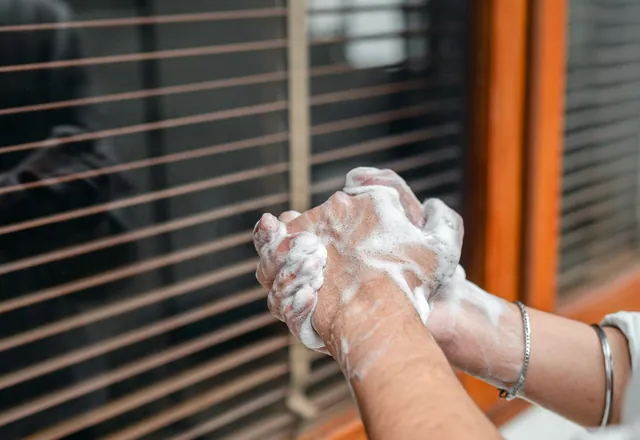
Use separate equipment for raw meat or poultry and ready-to-eat food, or clean it thoroughly between uses according to suitable guidance. Wash hands after handling raw ingredients. Do not wash raw poultry or meat; splashes can spread contamination. Rinse produce under running water as appropriate, without soap or bleach, and follow instructions for products labeled ready to use.
Imagine making chicken and a chopped salad. Prepare the salad with clean equipment and put it aside safely before handling the raw chicken, or use clearly separate areas. When the chicken is cooked, place it on a clean plate rather than the one that held it raw. The example is about controlling transitions, not about relying on a particular recipe to make the kitchen safe.
Pay attention to small shared items. A phone, tap handle, seasoning container, or refrigerator handle can become part of the sequence if touched with contaminated hands. Reduce unnecessary reaching while handling raw food. You do not need to sterilize the whole home; you need a practical way to keep contamination from reaching the food that will be eaten.
Use a thermometer for the cooking question
A food thermometer and the appropriate official minimum-temperature guidance are more reliable than judging safety by color alone. Check the relevant food and cooking method, and follow package instructions, including standing time where specified. Learn how to position and clean the thermometer according to its instructions. The number is useful only when measured appropriately.
For a household, decide where the thermometer lives and who knows how to use it. If it is buried in a drawer or has a dead battery, the plan may quietly revert to guessing. Check the tool before preparing a meal that requires it. This is a small equipment task with a clear purpose, rather than another kitchen gadget to collect.
Plan storage before everyone finishes eating
FDA guidance advises refrigerating perishable food within two hours, or one hour when the temperature is above 90°F or 32°C. Keep the refrigerator at 40°F or 4°C or below and use an appliance thermometer to check. Divide leftovers into suitable smaller containers for prompt cooling rather than leaving a large pot out until it seems fully cool.
At a gathering, put containers out before serving so storage is easy afterward. Assign someone to handle the leftovers while others clear dishes. If nobody owns the task, food may sit out while the group assumes it has already been dealt with. The timing begins with the food's actual exposure, not when the last person remembers it.
A trip home from a restaurant also needs a plan. If you cannot keep a perishable takeaway safely cold and return promptly, leaving it behind may be the safer choice. Do not use smell or a small taste to decide that questionable food is safe. When time and temperature history are uncertain, seek official guidance and discard unsafe food rather than trying to rescue it by reheating.
Adapt for disruption and vulnerable people
A power outage, a picnic, or a delayed delivery changes the ordinary storage plan. Follow official guidance for the particular event and food rather than applying a reassuring guess. Keep refrigerator doors closed during an outage as advised and use temperature information where available. Food that has become unsafe is not made safe by its purchase price.
Pregnant people, young children, older adults, and people with some medical conditions may need additional precautions. Ask the relevant clinician or consult reliable local food-safety guidance. If suspected foodborne illness is severe or concerning, seek medical advice. For daily prevention, choose one improvement in the sequence: a separate plate, an accessible thermometer, or a clear owner for prompt storage.