Start with the core routine
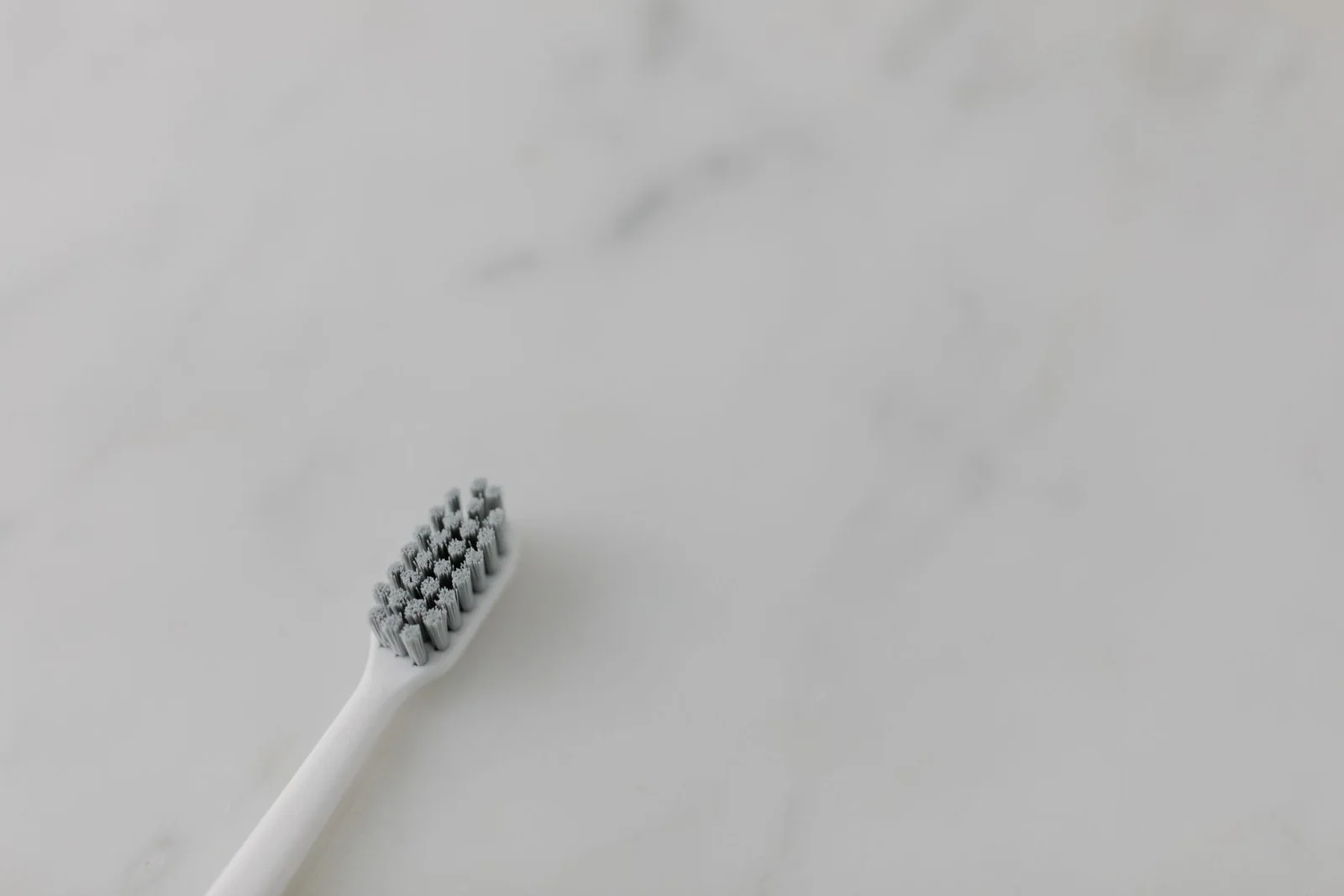
The CDC recommends brushing twice a day with fluoride toothpaste and cleaning between teeth to remove plaque. Those basics matter more than a shelf of products with impressive packaging. Your dentist can advise on technique, tools, and any condition-specific needs. A routine should be thorough enough to clean effectively and practical enough that you can do it when the day is busy.
Keep the toothbrush and toothpaste where you can reach them comfortably. If mornings are rushed, prepare the setup before the rush begins rather than depending on memory alone. Choose a point in the evening when you are still awake enough to do the task. Waiting until you are already falling asleep can make the routine harder, even when you fully understand its value.
Find a tool that fits your hands and mouth
Cleaning between teeth can be awkward with limited hand strength, crowded teeth, dental work, or difficulty seeing. Ask a dental professional which method is suitable and how to use it. A floss holder or another recommended interdental tool may be easier than trying to copy a technique that does not fit your abilities. Avoid forcing an unfamiliar tool into a space or assuming pain means you should push harder.
For example, someone with arthritis might ask the dentist to demonstrate a grip or recommend an accessible handle. Someone with a bridge may need specific cleaning instructions for that area. These are reasons to personalize the tools with professional guidance, not reasons to abandon cleaning. Bring the difficulty to the appointment in practical language: 'I cannot hold the floss firmly enough,' or 'I am unsure how to clean here.'
If you wear dentures, ask about their cleaning and storage instructions as well as care for the rest of the mouth. Having few or no natural teeth does not eliminate the need for oral assessment. The gums and other tissues still need attention, and a poorly fitting appliance can create problems that a new toothpaste will not solve.
Bring changes to dental care
Persistent pain, swelling, bleeding, sores that do not heal, or changes in the mouth deserve dental or medical advice. Do not assume a symptom is normal simply because it has become familiar. If there is severe swelling, difficulty breathing or swallowing, or another immediate danger, seek urgent local medical help. Routine cleaning cannot assess the cause of those symptoms.
If a medicine seems to cause dry mouth, discuss it with your clinician or dentist. Do not stop a prescribed medicine by yourself. Note when the dryness occurs and how it affects speaking, eating, or comfort. That description gives the professional a useful starting point for reviewing the situation and discussing appropriate options.
Prepare for a useful appointment
Write down one or two questions before a visit. Ask how often you should return based on your oral health, what you should clean differently, and whether a product you use has a clear purpose. Tell the dentist about relevant conditions and medicines. A preventive appointment is an opportunity to understand your own risks and practical needs, not just receive a verdict on whether you brushed well enough.
Cost and access can be real barriers. Ask about fees, available assistance, and the priority of any proposed work rather than silently postponing everything. For daily care, make one change that removes friction. A suitable tool, a clear technique, or an earlier evening cue can be more useful than an ambitious routine you cannot maintain.