Finish with a transition
A session feels different when it ends gradually instead of cutting directly from hard effort to complete stillness. Cooling down usually means reducing the pace and taking a little time to notice your response. NHS guidance offers gentle stretching as part of an after exercise routine. You can choose a simple finish appropriate to your activity, without treating it as a ritual that guarantees you will avoid soreness or injury.
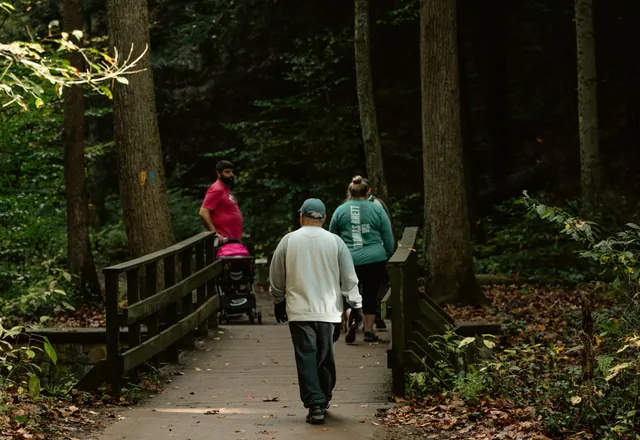
After a brisk walk, walk more easily for the final portion of the route. After cycling, use an easy section before stopping in a safe place. After a home session, move gently around the room while breathing settles. Keep the transition comfortable. You do not need to add another strenuous exercise because you have a few minutes left or because a watch says the session was short.
Make the surroundings part of the plan
Think about where you will finish before beginning. A steep driveway, busy crossing, or distant parking lot can make the last part of an outing harder than expected. Leave enough energy to reach your destination safely. In a pool, plan how you will climb out and walk on wet surfaces. In a gym, put weights down securely before moving toward a stretching area.
Take time before an abrupt change of position, especially if you sometimes feel lightheaded. Sitting on a low floor mat and standing again is not an essential cool down task. Choose a chair or standing version if floor transfers are inconvenient or unsafe. If you have a condition that affects blood pressure or balance, ask your clinician what transition is appropriate for you.
Stretch only if it suits you
A gentle stretch can be comfortable after activity, but it should not become an attempt to force the largest range of the day. Choose a supported position and avoid bouncing into pain. If you are unsure which part should feel a stretch, check a reliable demonstration or ask an instructor. Skip a stretch that creates sharp discomfort, tingling, or a sense of joint instability.
A cooldown cannot erase an unsuitable workload. If you increased distance, speed, resistance, and frequency at once, adding extra stretching at the end does not make that decision automatically safe. Review the session itself. Future comfort is more likely to depend on choosing a manageable workload and responding to symptoms than on completing a particular number of stretches after every outing.
Close the loop with a brief check
Notice whether breathing is returning toward its usual rhythm and whether you have any new symptoms. Have fluids available and change out of wet clothing when needed. Put equipment away so the room stays safe. A quick record of the session can include what you did, how it felt, and anything you would change. This makes the ending useful for planning the next beginning.
Stop and seek appropriate help if dizziness does not settle, pain is significant, or you develop symptoms such as chest discomfort, fainting, or severe breathlessness. Do not describe concerning symptoms as a normal cooldown effect. If you feel well, resume the day at a sensible pace. A gradual finish is a practical way to organize exercise and observe your response, even when you do not have time for an elaborate routine.