Find the social feature you enjoy
Social activity can mean a walking partner, a dance class, an adapted sports group, or gardening with neighbors. Think about the part that appeals to you: conversation, learning together, music, a shared goal, or simply having an appointment. A group does not have to be competitive to be worthwhile. NHS activity resources include options such as walking and classes; choose an experience you would like to repeat.
Consider your preferred group size and pace. A large busy class may feel energizing to one person and overwhelming to another. A quiet walking partner may be more useful if you want time to talk. It is reasonable to try different settings before choosing. Enjoyment is practical information about whether the arrangement suits you, not an optional reward for completing enough exercise.
Check the logistics before attending
Ask about the venue, cost, transport, booking, and equipment. If accessibility matters, confirm entry, toilets, seating, and the activities expected. A class described as beginner friendly may still require floor transfers or standing for long periods. Ask whether adaptations are available and who provides them. CDC guidance recognizes environmental and information barriers to activity for people with disabilities; concrete answers help you plan around them.
Check the instructor's relevant qualifications and whether the program clearly describes who it is for. Explain any limitations that affect participation without feeling obliged to share private medical details with the entire group. An instructor should be willing to discuss safer alternatives and breaks. If the atmosphere discourages questions or pressures participants to ignore pain, choose a different setting.
Agree on pace and participation
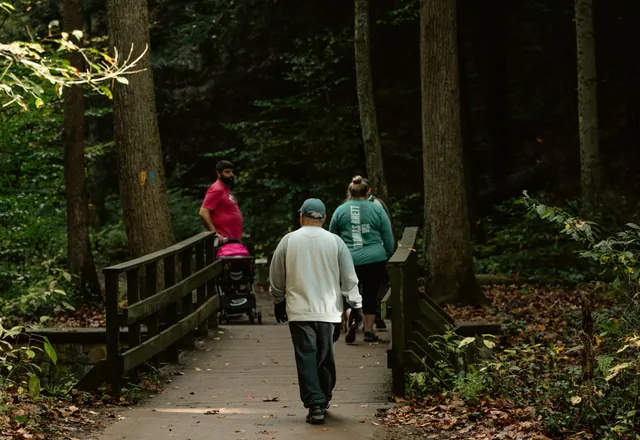
For a walking group, ask about distance, terrain, pauses, and what happens if someone needs to turn back. With a friend, choose the route together and make it easy for either person to shorten it. Conversation should not require one person to struggle to keep up. A shared activity can include different pace options, agreed regrouping points, or separate sections followed by time together.
In a class, use the variation that suits you rather than copying the most experienced participant. Take breaks when needed. Let the instructor know if a movement causes pain or feels unsafe. Social encouragement can be helpful, but the group cannot judge your symptoms for you. A supportive setting allows you to participate within your abilities without making every session a comparison.
Make the next visit easier
After trying the activity, note what worked and what did not. Was the route pleasant? Did travel make the session stressful? Did you enjoy the people and feel comfortable asking questions? Choose one change for the next visit, such as arriving earlier or selecting a shorter route. If the activity was enjoyable but the schedule was inconvenient, look for another time before abandoning the idea entirely.
Keep an individual backup for times when a partner cancels. It might be a familiar short walk or another comfortable activity. That helps the habit remain flexible without making anyone feel guilty for missing a meeting. Stop for concerning symptoms and seek suitable advice when needed. The right social activity combines manageable movement with a reason you are glad to return, whether that reason is company, learning, or shared enjoyment.