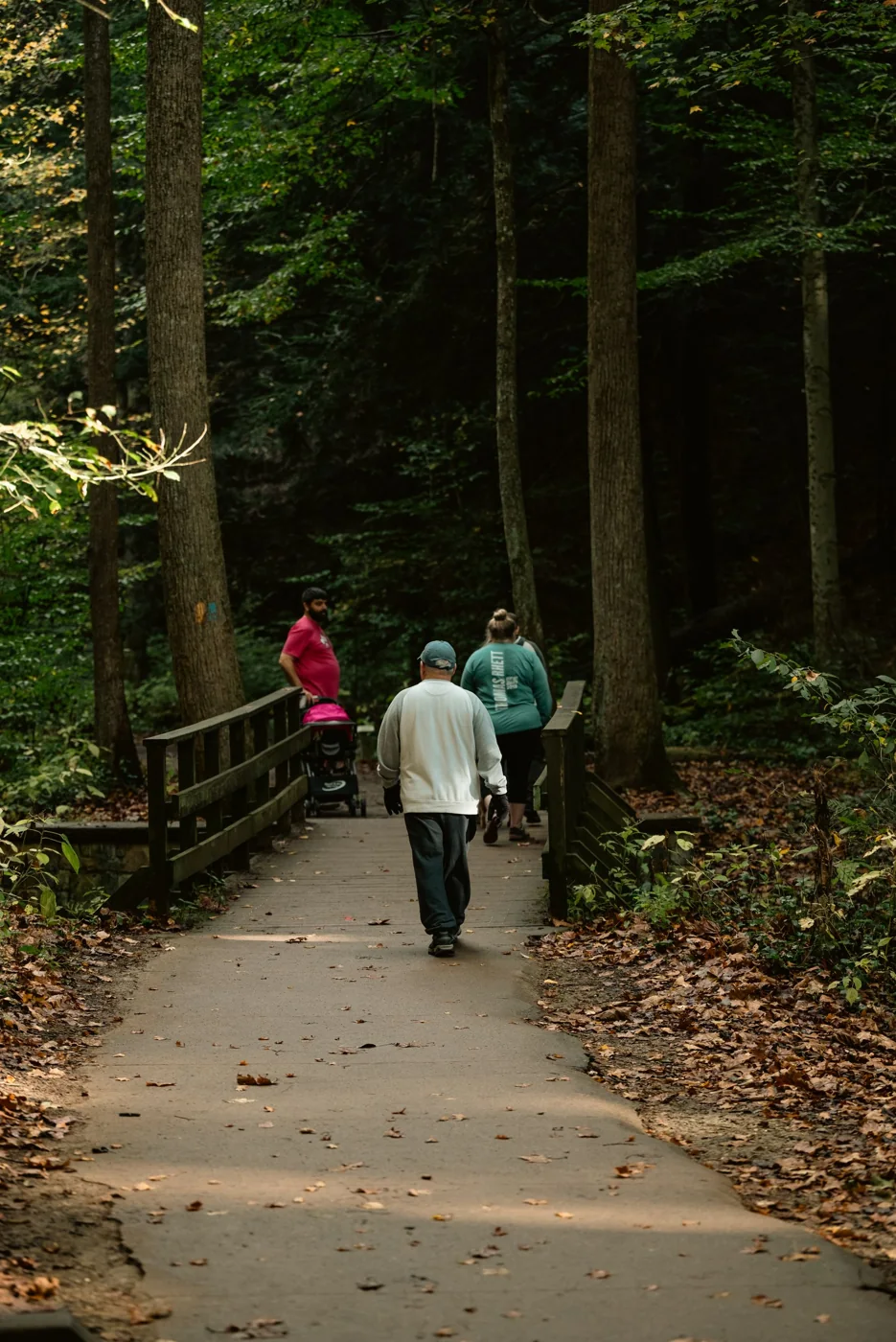
Choose your starting line
A walking habit begins with a route you feel willing to repeat. That might be a loop around an apartment building, a paved path near work, or an indoor corridor when weather makes going outside difficult. You do not need a distance target before you begin. The NHS advises people who have been inactive to build walking gradually. Treat the first outing as information about your starting point, rather than a fitness exam.
Choose a short route with an easy way home. Think about sidewalks, lighting, toilets, benches, and crossings. A route that looks attractive on a map may feel inconvenient when you are tired or need a bathroom. If accessibility matters, confirm the surface and curb access before committing to a longer trip. Tell someone your route when walking alone somewhere unfamiliar, and keep enough awareness to hear traffic or approaching cyclists.
Make the first week manageable
For a first week, an example might be five comfortable minutes on three days. This is an optional starting experiment, not a medical prescription. Someone already doing that comfortably might choose ten minutes instead. Keep the pace easy enough to notice how your feet, joints, and breathing respond. Finishing with energy available is useful: it leaves room to repeat the outing rather than needing several days to recover from an ambitious first attempt.
Place the walk beside something that already happens. Leaving after breakfast or before collecting the mail can be easier to remember than waiting for motivation. Lay out shoes and a weather appropriate layer beforehand. Have a backup route for rain, poor air quality, or darkness. The backup should solve the same problem: provide a small opportunity to move without requiring a complicated journey, purchase, or last minute decision.
Add one thing at a time
After several comfortable outings, change one element. You could extend the route by one block, walk on an additional day, or briefly choose a more purposeful pace. Avoid increasing distance, hills, and speed simultaneously; if discomfort appears, you would have little information about which change contributed. A hill can make a familiar distance considerably harder. A walk with shopping bags also differs from the same route with empty hands.
Record something simple, such as minutes outside and how you felt afterward. Compare similar outings rather than judging every day against your best day. A windy afternoon, poor sleep, or a busy morning can change the experience. Progress may look like needing fewer pauses, feeling more confident at a crossing, or enjoying the route enough to invite a friend. None of these requires a particular step total.
Know when the route needs to change
Blisters, a worsening limp, repeated joint pain, or dizziness are reasons to stop and reconsider the outing. Check the fit of your footwear and the condition of the walking surface. Persistent symptoms deserve professional advice rather than a bigger target. Chest pain, fainting, or severe unexplained breathlessness needs urgent medical attention. If a health condition, recent procedure, or rehabilitation plan limits activity, ask your care team how to adapt walking safely.
The next useful step is practical: select tomorrow's route and identify its turning point. Make it a walk you can complete on an ordinary day. Longer walks can come later, once the short version feels familiar and your response to it is clear.