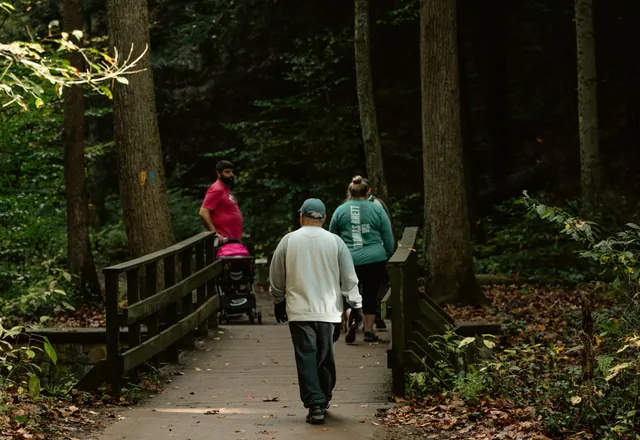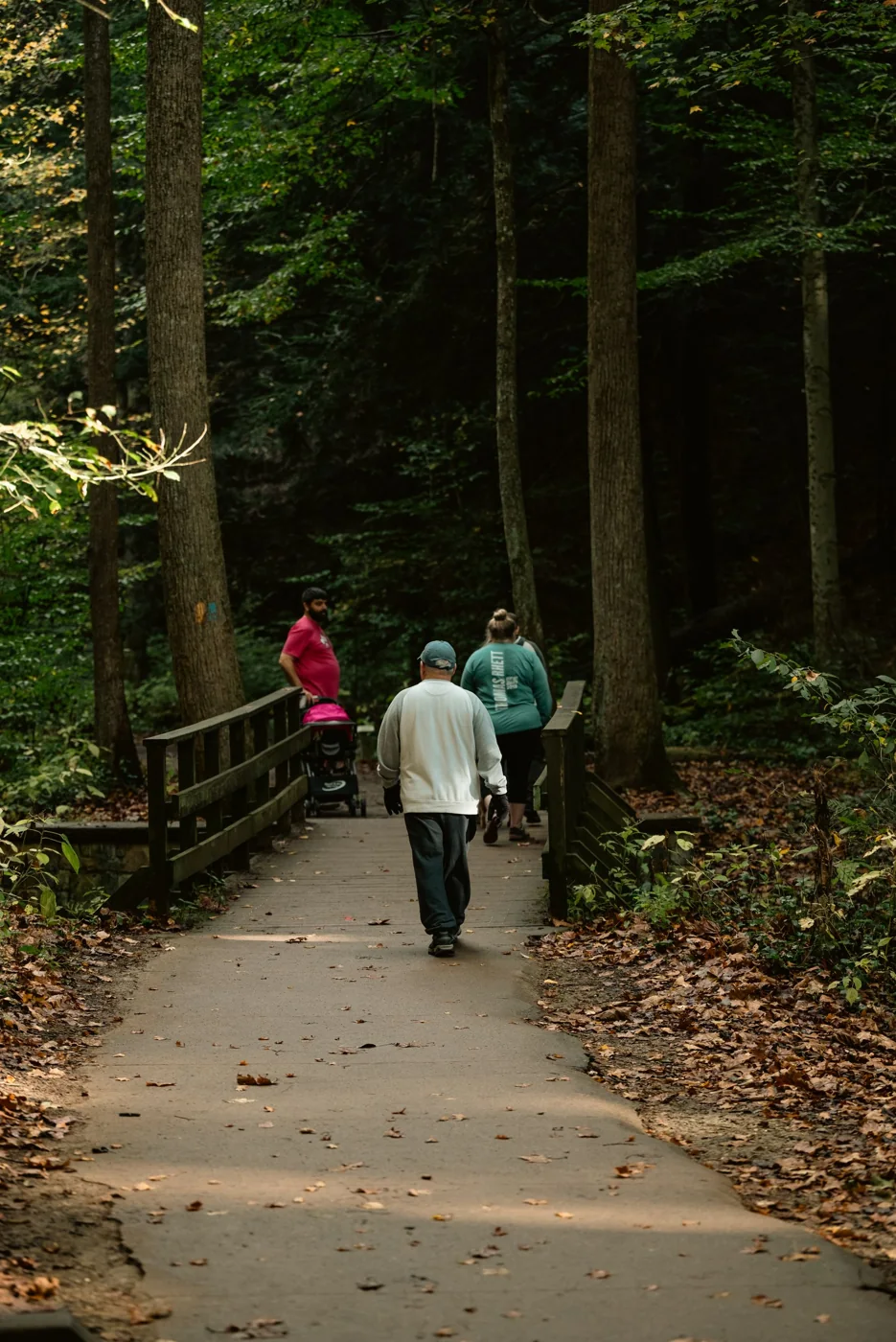
Start with the walking you do
Footwear choices depend on the surface and length of your walks. A paved neighborhood route has different demands from a wet, rocky trail. Begin by describing your usual route rather than searching for the universally best shoe. NHS walking guidance says comfortable shoes with support that do not cause blisters can be suitable. That gives you useful priorities without requiring specialist footwear for every short outing.
Check the shoes you already own. Look at the sole for worn smooth areas, damage, and uneven wear. Inspect the inside for a rough seam or debris. Fasten the shoe so the foot feels secure without pressure across the top. If it slips on the surface where you plan to walk, choose another option. A shoe that was comfortable years ago may fit differently now.
Try shoes as a movement task
When trying a new pair, wear the socks you intend to use and walk around rather than judging fit while seated. Notice toe space, heel movement, and any pressure point. Both feet should feel comfortable. Ask about the shop's return policy so that a short indoor trial remains possible if needed. Do not depend on painful shoes becoming comfortable through determination or an uncertain breaking in period.
Use your everyday walking pattern. If you normally use an orthotic, bring it and follow the advice of the professional who prescribed it. Avoid changing an orthotic and shoes at the same time without guidance. For people with reduced sensation, diabetes related foot risks, or recurrent sores, clinical foot care advice matters more than general shopping tips. A pressure spot may not feel obvious even when it needs attention.
Match the sole to the surroundings
For a path with mud, uneven ground, or rain, traction and stability deserve extra attention. A heavily cushioned shoe does not automatically grip better. Test the shoe carefully in a safe setting and consider whether the route itself should change in poor conditions. Footwear cannot remove the hazard of ice, a steep loose slope, or a dark crossing. Turning back can be the appropriate decision even with suitable shoes.
Keep laces tidy and away from the ground. If tying is difficult, consider a secure alternative fastening that you can manage independently. Check the fastening before each outing. Carrying a spare pair of socks may help on a longer walk where wet feet are possible. Choose a bag that does not make the walk awkward simply to accommodate extra equipment.
Let the feet give you feedback
After a short first walk, inspect for rubbing or irritated areas and note how the shoes felt. Extend time gradually rather than taking an untested pair straight onto a long route. If a blister develops, avoid repeating the same friction while it heals and seek appropriate care if it is severe or appears infected. Persistent pain, redness, warmth, swelling, or a wound that is not healing deserves professional assessment.
Price and brand cannot establish fit for your foot. A shoe may suit a friend and feel wrong for you. Keep your decision anchored to the route, secure footing, and comfort during and after walking. When those details work, it becomes easier to repeat the outing and recognize whether a new problem comes from the footwear, the surface, or a recent change in walking volume.