Choose the setting first
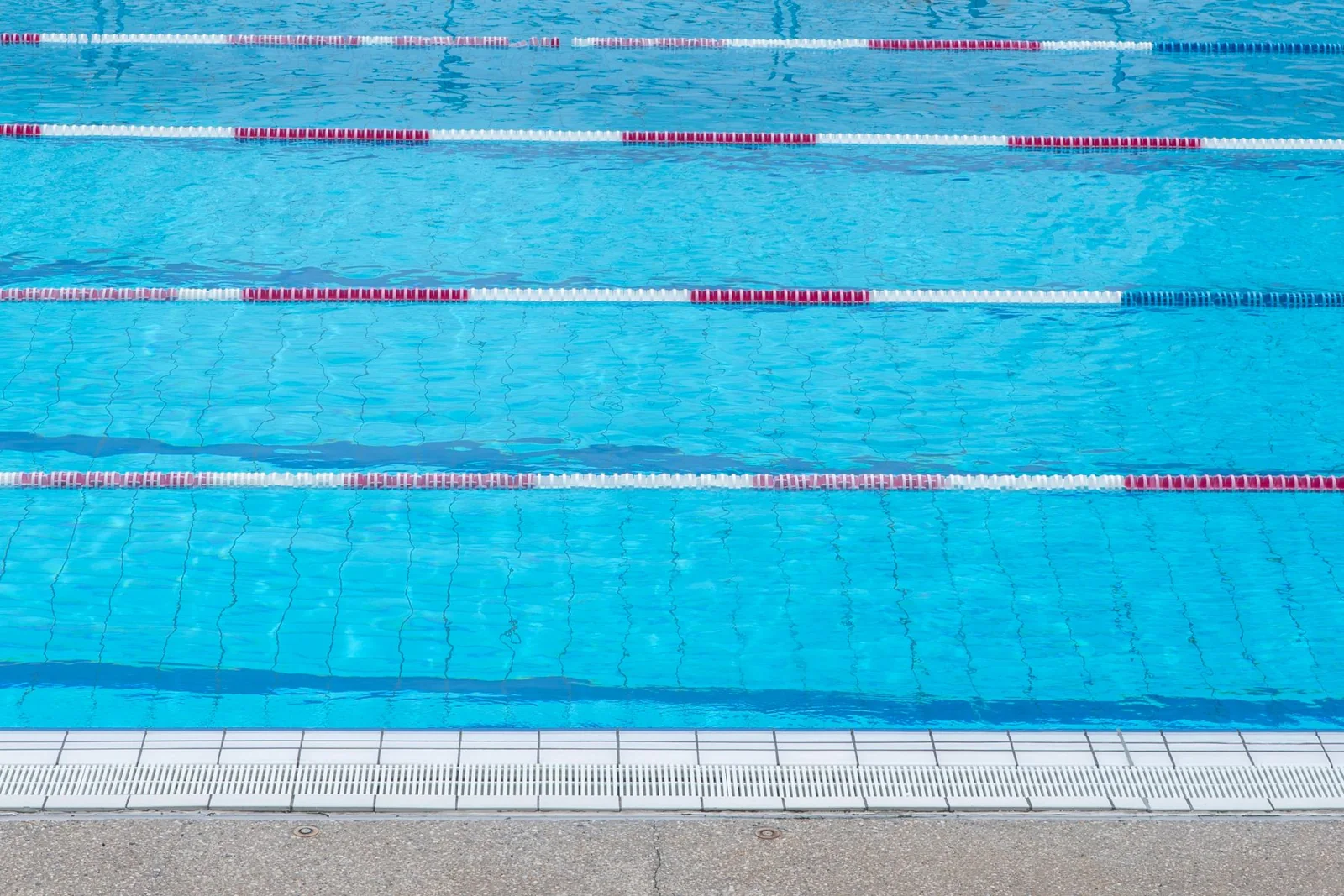
Swimming is an activity where confidence and skill need to match the environment. Begin in a supervised pool suitable for your ability rather than treating open water as an equivalent starting place. Check depth, entry options, changing facilities, and the pool's rules. CDC guidance emphasizes learning swimming and water safety skills and swimming with a buddy. A lesson can be the most useful first session if you are uncertain in water.
Tell the instructor about your experience and any concerns. Being fit on land does not guarantee comfort with breathing, floating, or getting to an exit in water. Ask what the class expects you to do and whether it offers beginner or adapted instruction. If a medical condition increases water risk, discuss precautions with your clinician and the facility before entering.
Plan entry and exit
Look at the whole sequence: walking through the changing room, entering the pool, completing the activity, climbing out, and moving on wet tiles afterward. A pool with steps, a ramp, or a hoist may be easier to use than one with only a ladder. Confirm accessibility in advance. Having an appropriate exit gives you a clear way to finish before you become too tired.
Keep footwear and belongings where the facility permits them, away from walkways. Use rails where provided and avoid rushing on wet surfaces. Choose a lane or shallow area consistent with your skills and the pool's instructions. Ask staff if you are unsure where to go. A quiet period may feel less intimidating, but supervision and suitable facilities still matter more than simply finding an empty pool.
Keep the activity short and clear
For someone who already swims safely, a first fitness session might include a small amount of easy swimming with pauses at the side. The example should be adjusted to your skill and comfort rather than a fixed lap target. Notice whether you can maintain comfortable coordination and return to an exit. Stop before fatigue makes the next length uncertain.
A water based class may offer a different starting option if lap swimming is not suitable. Ask about depth, flotation equipment, and how the instructor adapts movements. Flotation toys do not replace water safety skills or appropriate supervision. Avoid breath holding challenges and deliberate hyperventilation before going underwater. They can be dangerous even for experienced swimmers and have no place in a beginner fitness plan.
Build familiarity before volume
Repeat a manageable session while learning the facility and your response. Increase only a small element when you feel confident and recover well. More laps are not automatically better if your technique becomes rushed or you feel anxious about reaching the side. Instruction can improve the experience more than trying to force endurance. Make time to dry, dress, and travel home without hurrying.
Avoid alcohol before swimming and consider medicines that may affect alertness, coordination, or balance. Stop and seek assistance if you feel dizzy, unusually breathless, or unwell. Open water introduces currents, temperature, visibility, and rescue concerns that require separate preparation. A comfortable pool routine does not remove those risks. Starting with supervision and manageable skills gives you a stronger foundation for choosing future water activities.