Treat weather as part of the session
A familiar route can become a different task in hot weather. Before leaving, check local heat information and air quality, then decide whether an outdoor session remains sensible. CDC guidance warns that exercise on hot days increases the risk of dehydration and heat related illness. Your plan should therefore include an easier or indoor alternative. Keeping the original distance is not the most important outcome when conditions have changed.
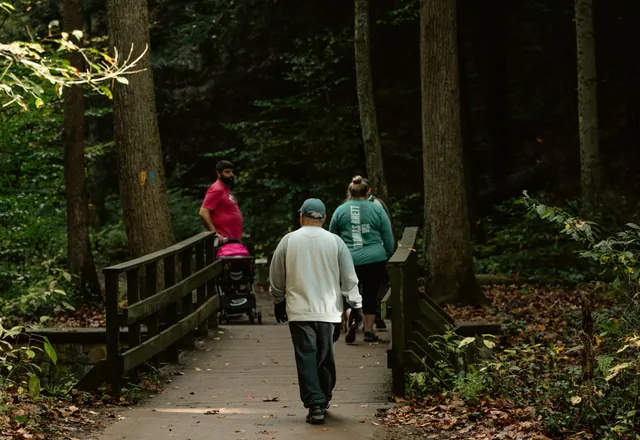
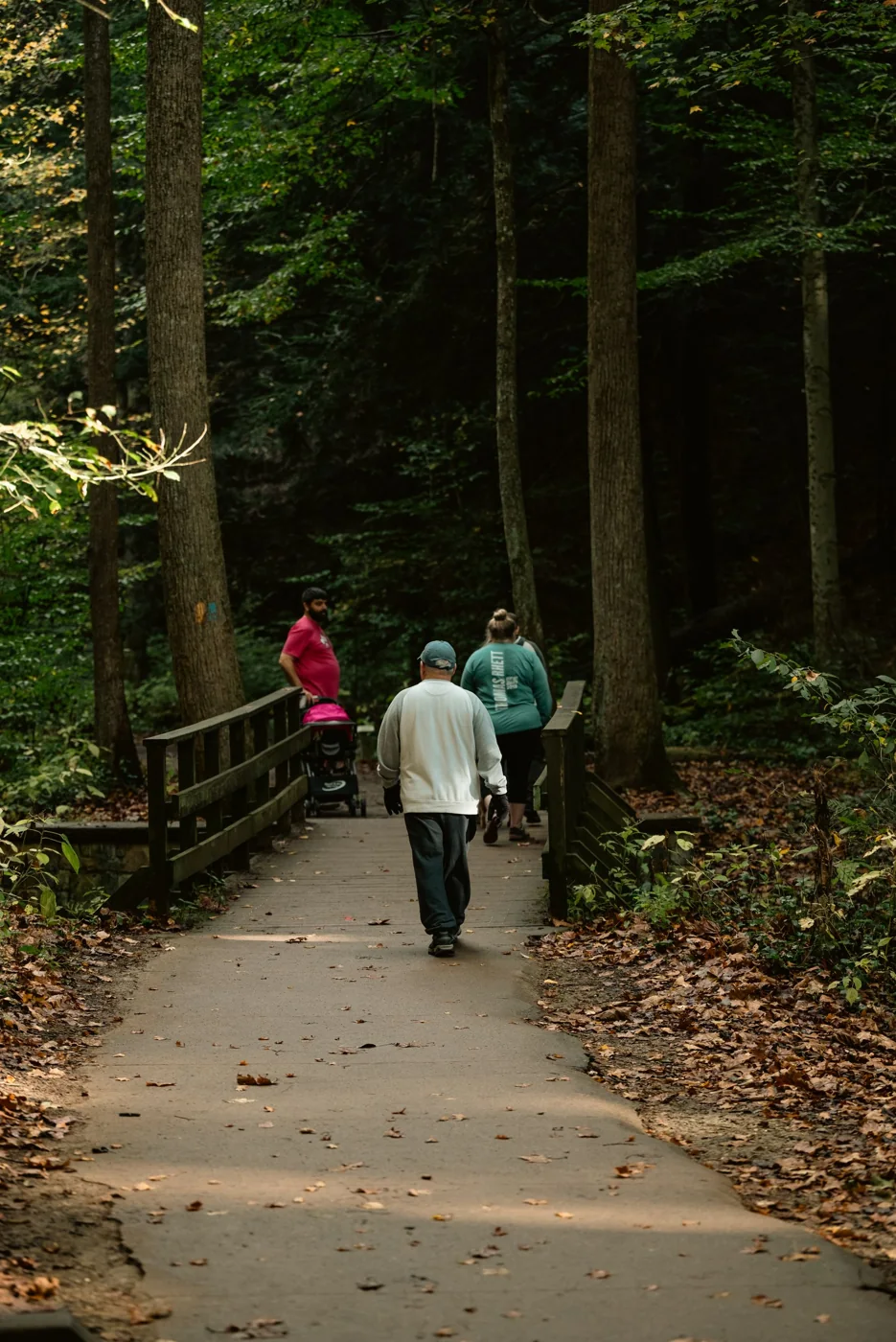
Consider a cooler time of day and a route with shade, water access, and an easy exit. A loop near home may be more practical than a long outward journey. Let a companion know the revised plan. If local advice recommends avoiding outdoor exertion, follow that advice. A shaded path is still exposed to heat, and humidity can make a comfortable looking morning feel unexpectedly demanding.
Reduce the demand early
Begin more easily than usual and keep the outing shorter while you learn how the conditions affect you. Avoid adding hills, speed intervals, or a heavy load on the same day. Dress in clothing appropriate to the weather and protect exposed skin according to sunscreen instructions. Carry enough supplies for the route without turning the bag into a significant extra burden.
Make water accessible before you start. A bottle stored somewhere difficult to reach is less useful than one you can use during a safe pause. Plan breaks where you can get out of direct sun. If you have been told to limit fluids because of a medical condition, ask your care team how to manage hot weather activity. Do not replace that advice with a general hydration rule.
Use a companion and an exit plan
When possible, exercise with someone who understands the route and can notice changes in your condition. Agree beforehand that either person can end the session. Heat can affect judgment, so it is helpful to have the stopping decision available before anyone feels unwell. Keep a charged phone and know where you are, particularly on an unfamiliar trail or in a large park.
Avoid using a step target or a training plan as a reason to continue. A watch does not assess all heat risks. If the nearest cool place is behind you, turn back sooner rather than waiting until the turnaround becomes difficult. Outdoor events may have cancellation or heat policies; read them and make your own conservative decision if the event remains open but feels unsuitable.
Recognize when activity must stop
Feeling faint or weak is a reason to stop and move to a cool place. Headache, nausea, unusual fatigue, or cramps can also be concerning during heat exposure. Seek medical care when heat illness is suspected. Confusion, collapse, seizure, or inability to respond normally is an emergency: call emergency services and begin cooling while help is on the way. Do not leave an affected person alone.
After an uneventful outing, note the conditions, duration, and how you felt. Use that information for the next hot day, while remembering that tolerance varies and can change with illness, medications, and acclimatization. Ask a clinician about additional precautions if you have a relevant health condition. A successful hot weather plan may end with a short indoor session, a changed route, or a rest day; each can be a sensible response to the environment.